
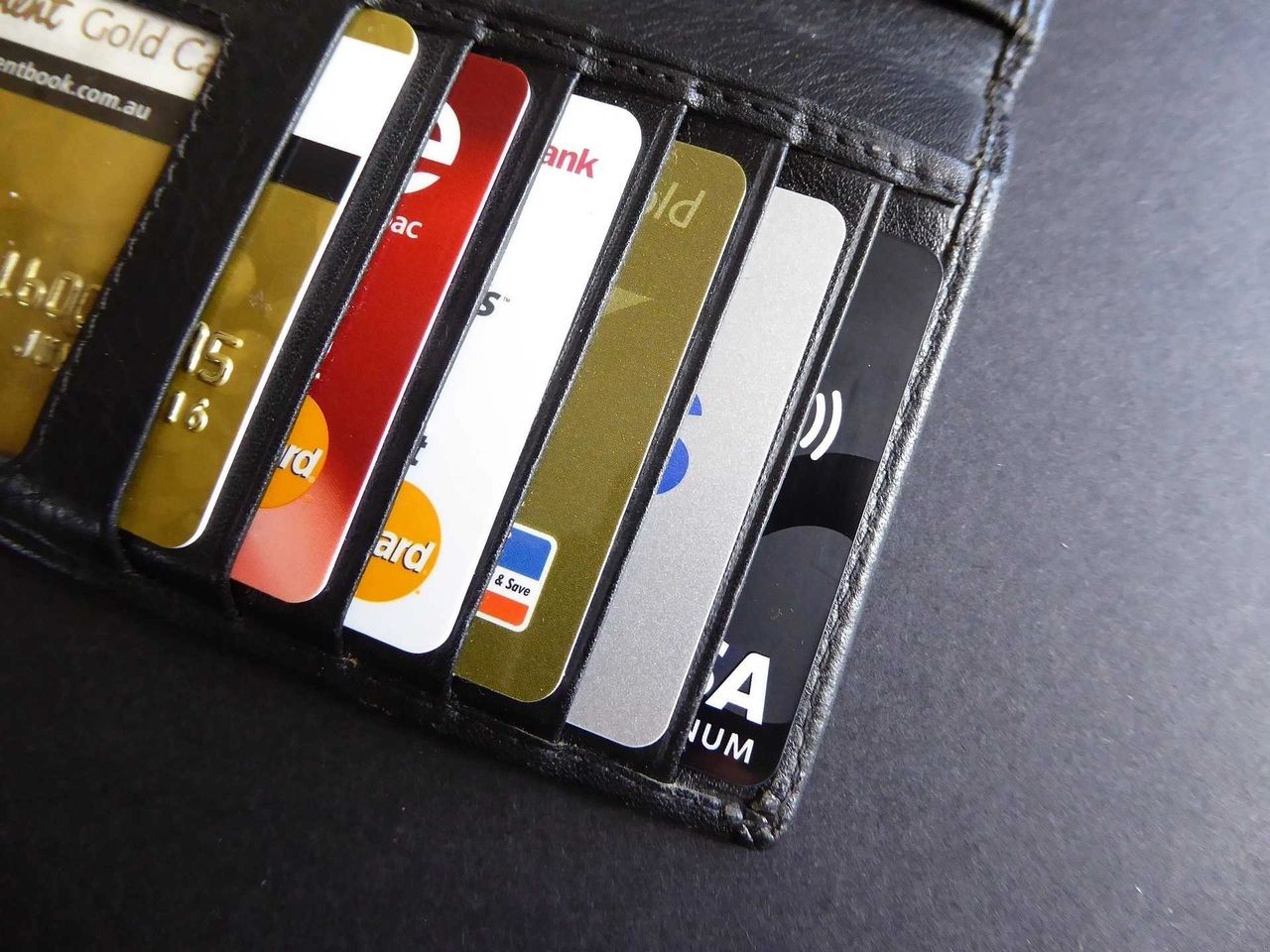
Deciding whether to use a debit or credit card can be tricky. On one hand, debit cards are convenient because they are linked directly to your bank account. This means that you can’t spend more money than you have. On the other hand, credit cards offer certain protections that debit cards don’t such as extended warranties on purchases and fraud protection. So, which should you use?
Are you constantly debating when to use your debit card and when to use your credit card? You’re not alone. In fact, there are a lot of factors to consider when it comes to using plastic.
Debit cards and credit cards differ in a few key ways. Let’s take a closer look at the pros and cons of both debit and credit cards.
How does a debit card work?
A debit card is a plastic card that gives the cardholder a set amount of funds against each purchase they make. Debit cards can be used for a variety of purposes, including:
-To make purchases: When you use a debit card to make a purchase, the funds are transferred from your account to the merchant’s account immediately. This type of transaction is known as a point-of-sale (POS) transaction.
-To withdraw cash: You can use your debit card to withdraw cash from an ATM. The funds will be deducted from your account immediately.
-To pay bills: You can use your debit card to pay bills online or over the phone. The funds will be deducted from your account immediately.
As you can see, debit cards can be very convenient. However, you should only use them when you have the funds available in your account to cover the transaction. Otherwise, you may be charged overdraft fees.
When does using a debit card make sense?
Debit cards are a great way to access your money without having to carry around cash or write checks. However, there are some situations where it’s better to use debit cards and others where it’s better to use another form of payment. For example, if you’re worried about identity theft, it’s best to use a debit card at a restaurant or brick and mortar store instead of giving your credit card number to a stranger.
Debit cards are also a good choice for making small purchases or for when you don’t have enough cash on hand. However, you might not want to use a debit card for large purchases or for travel because if your card is lost or stolen, you may not have access to your money right away.
How are debit cards different from credit cards?
Debit cards are different from credit cards in that they do not allow the cardholder to borrow money against the purchase. Instead, the cardholder can only spend the funds that they have in their account. This makes debit cards a safer option than credit cards against getting into trouble with debt, as there is no risk of falling into debt.
Debit cards also offer a number of other benefits, including convenience, security, and rewards. For example, most debit cards allow the cardholder to make purchases online, over the phone, or in person without having to carry around cash or checks. In addition, debit cards are usually linked to a secure online banking account, so cardholders can track their spending and ensure that their account balance remains healthy.
Finally, many debit cards offer rewards programs, such as cash back or points for every purchase made. These rewards can be used to offset future travel expenses or to simply save money on everyday purchases. Overall, debit cards offer a number of advantages over other payment methods, making them an ideal choice for those who are looking for a safe and convenient way to pay for their purchases.
When to avoid using a debit card
In general, it’s not a good idea to put big-ticket items – like furniture or electronics – on a debit card since they can be hard to track and may not qualify for fraud protection like credit cards do. Stick with credit cards when making these types of purchases so you can easily dispute any problems that arise later on down the road.
For online purchases, credit cards transactions are generally easier to dispute and minimize the chances of fraud. With debit cards, there is always a risk of your entire bank account being emptied in a fraudulent transaction.
It’s best to avoid using a debit card when staying at a hotel because your card is linked to your bank account and the hotel will often put a deposit hold for time that you’re staying, plus some extra money in case you have other incidental charges.
Auto rental companies also place a hold on money in your account while using a debit card, so you will not have access to those funds for the term of the vehicle rental.
When to consider using a credit card
In general, credit cards are best used for larger purchases that you can pay off over time. As long as you’re mindful of your spending and make payments on time, using a credit card can be a convenient way to manage your finances.
Here are some instances when using a credit card might make more sense than using a debit card:
– You’re making a big purchase that you can’t afford to pay off right away, but can pay off in a few weeks.
– You’re planning a trip and need to book hotels or flights.
– You’re renting a car.
– You’re shopping online.
– You need to make an emergency purchase.
Advantages of using a credit card
Using a credit card can offer several advantages over using cash or a debit card. For one thing, credit cards can help you build your credit history. By making timely payments and keeping your balances low, you can improve your creditworthiness and potentially qualify for more credit in the future.
This is important if you ever want to take out a loan for a major purchase, such as a house or car. Additionally, credit cards usually offer some form of consumer protection on purchases or fraud protection. This can give you peace of mind in case something goes wrong with a purchase.
Credit cards are also a good option if you’re trying to take advantage of credit card rewards, like cash back or points. The cash back or points for your purchases can be better with a credit card than what a debit card may offer. Just be sure to pay off your balance in full every month to avoid interest charges. And as previously mentioned.
Credit cards also offer protection against fraud. If your credit card is ever stolen or used without your permission, you can typically dispute the charges and get your money back.
When to avoid using a credit card
Of course, there are also times when it’s best to avoid using a credit card. For example, if you’re already struggling with debt, racking up more credit card debt will not help your financial situation. Additionally, if you know you won’t be able to pay off your credit card balance in full at the end of the month, it’s probably best to avoid using the credit card so you don’t end up paying interest on your purchases. And if you’re trying to save money, it can be very easy to make impulse buying decisions when you have a credit card handy.
Conclusion
So, which is better—debit or credit? The answer, as with most things in life, is that it depends. It depends on your spending habits, your goals, and your financial situation. If you tend to overspend or carry a balance from month-to-month, a debit card might be a better option for you. But if you’re looking to build your credit score or take advantage of rewards programs, a credit card might be the way to go.
Ultimately, whether you should use a debit or credit card depends on your individual financial situation. One thing is certain – it’s always best to stick to a budget.
If you find yourself in over your head with credit or debit card debt or other types of unsecured debt such as cell phone, installment/payday loans, contact Progressive Debt Relief for a free consultation. They have a wealth of experience and expertise working with major creditors. 1.877.590.1847.
*This content must be used for informational purposes only. Progressive Debt Relief does not provide legal, financial or tax advice and the above should not be construed as such.