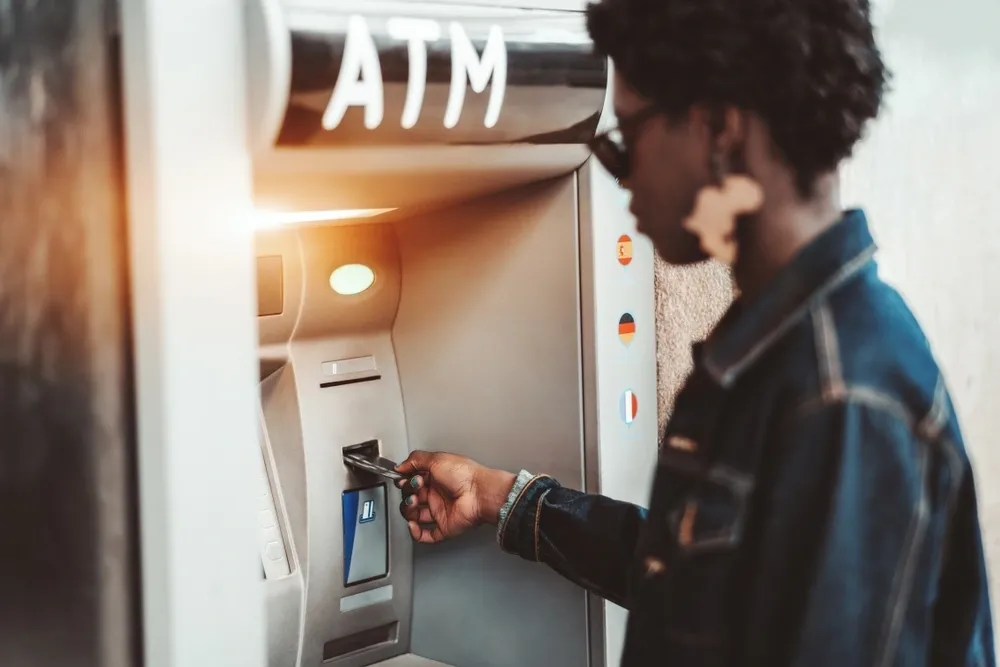
If you’re beginning to feel overwhelmed by the amount of credit card debt you carry each month, you're in good company. According to the financial site The Balance, "The average credit card debt per U.S. household was $8,398 in June 2019." However, just because it's a pervasive problem doesn't mean you shouldn't take credit card debt seriously. Afterall, it can seriously cramp your style. Here are a few options to consider if you need serious help eradicating your credit card debt.

Strategize Your Payments

If you have more than one credit card you may be carrying balances with different interest rates. Many financial advisors will council concentrating on the balance with the highest rate. Try to stop using that card and steer resources to paying it off completely. From there you would proceed to focus on the next highest rate card balance.

Consolidate Your Balances

Consolidating several credit card balances into a single monthly payment can sometimes be arranged through your bank. A consolidation loan can also kickstart the process to becoming debt-free; however, it is technically another form of debt that has its own associated interest and mandatory payments. Further, not everyone is a good candidate for this option—especially if their debt load is already high.

Negotiate Down Your Debt

It's not the craziest idea to speak with your credit card company and request relief. Often they will allow you to skip a payment, or offer to issue a lower rate card and transfer balances. This can buy time to work out a more sustainable plan. Most credit card companies want to keep you as a customer. This strategy only works if the debt has not yet gone to collection.

Consult a Debt Relief Expert

If the thought of negotiating with banks, credit card companies, or collection agencies is daunting, a knowledgeable advocate can help. Debt relief services provide useful perspective, expertise, and encouragement to help you solve your debt issues. Most don't charge a fee, and they can negotiate better terms with lenders and collectors as well as help devise a debt strategy to keep you on track with repayments.

With all the stress of being in debt, it's vital to remember that you are not alone and that help is available. If you’re facing a mountain of fearsome debt, contacting the professionals at Progressive Debt Relief is the first step on the road to financial recovery. To take that step sooner rather than later, contact us today and schedule your complimentary consultation.
Medical emergencies can happen to anyone regardless of age or health condition. However, the steps you take to resolve your medical debt can have a significant impact on how much you owe and what options there are to repay the debt. Unpaid medical bills are one of the leading causes of bankruptcies in the United States—even when the patient has medical insurance. Unfortunately, if you ignored the medical bills and allowed them to pile up, it’s too late to take proactive steps to resolve the debt. That doesn't mean there aren't options, but timing is often critical.

Steep Penalties and Fees

The longer you owe debt, the more interest builds, and the more non-payment penalties accrue. A bill can nearly double in time from the original amount owed if not action is taken. Once a bill goes to collections, you can expect harassing phone calls, endless letters, and in many cases, eventual threats to your financial stability. With a court order, the debt collector can attempt to garnish your employment wages or place a lien on your home, business, and possessions. One thing is almost certain, they will leave a negative mark on your credit report that can last more than 7 years.

The Way Out of Medical Debt

After going to collections, your medical bill repayment options include:

· Negotiating your debt – You'll be surprised how much wiggle room the hospital has when it comes to your debt.

· Working out payment plans – Break down the negotiated cost of medical bills with a payment plan from the hospital or medical provider. This makes the debt a little more manageable. Some may even offer it without interest.

· Use credit cards – 0% interest credit cards might be a good solution for smaller amounts of medical debt, but they are another form of debt—so be careful.

· Taking out a personal loan – If you have excellent credit, this is a good option after you have exhausted the idea of using credit cards.

· Declaring bankruptcy – While in some people's cases there simply is no other option, bankruptcy should always be a last option as it can critically damage your credit score.

Hire Debt Relief Professionals

Fortunately, debt relief programs such as those offered by Progressive Debt Relief provide hope to a hopeless situation. With someone negotiating for better terms and a lower interest rates, you can save hundreds per month and start to pay off your debt faster and with less penalties.

If you’re drowning in medical debt, contact the financial experts at Progressive Debt Relief. Through our experience and established relationships, we can negotiate with your medical debt collectors to work out a repayment settlement that is manageable within your budget. To find out more about our services, or to schedule a complimentary consultation, contact us today.
A late payment to a creditor will typically not be reported as a missed payment on your credit report, with the credit bureaus using the 30, 60, 90-day rule when reporting missed payments. This means that a phone bill payment that is 30 or 60 days late isn't going to have as serious an effect on your credit score as a payment that is 90 days past due.

Late payments to your phone carrier can still cause services to be cut. However, they won't report as a missed payment on your credit report for anywhere between 30–90 days. Before the balance is reported and potentially sold to a collections agency, you will typically incur late fees. To further conceptualize how long you can go without paying your phone bill, it's important to understand the policies of the major phone carriers.

Late Payment Policies of Major Carriers

· Verizon Wireless – Customers who pay their bills late will be charged a late fee of up to 1.5% per month on the balance, or a flat fee of $5—whichever is greater. This late fee can occur as early as 24 hours after the original due date. Several factors come into play before Verizon Wireless cuts service, including previous payment history. Several weeks of payment delinquency is granted, up to 60 days, before it is reported to the credit bureaus.

· Sprint – A late fee is applied when there is a previous balance of more than $10 that has not been paid by the invoice due date. Sprint will typically suspend service and send the account into collections within 30 days, harming your credit score.

· T-Mobile – T-Mobile late fees are similar to Verizon's—there will be a $5 charge or a charge of up to 1.5% of the balance if not paid by the due date. The account can be suspended several days after its due date, up to 30 or 60 days.

· AT&T Wireless – Similar to other carriers when bills go unpaid, AT&T allows customers a brief grace period of up to 60 days to secure their finances and pay their mobile phone bill before shutting off service. During this time, however, monthly balances pile up and late fees are added.

Call Us for Debt Relief

In a pursuit to pay off phone bills, many unsuspecting consumers subject themselves to payday loans. Payday loans have notoriously high fees and pray on the desperate. Progressive Debt Relief will negotiate with the creditor to obtain better terms and conditions, empowering consumers who are struggling to pay their debts to have a renewed ability to do so. To find out more about our debt relief services or to schedule a complimentary consultation, contact us today and we’ll help you get disconnected from debt.
A payday loan provides small amounts of cash to consumers for very short periods at high costs. These loans are available in most states. But some U.S. States prohibit these types of loans, both in-person and online. So, in those jurisdictions, the limit is zero. In states that do allow them, the maximum amount you can get on a payday loan ranges from $300 to $50,000—or in two states, there’s no limit at all.
Payday Loan Limit Amounts Across the Nation
For these short-term, high-cost loans, the maximum amounts vary. Texas sets the lowest limits at $100 and $200—subject to their jurisdictional laws. California and Montana are on the lower end with $300 limits, while Louisiana and Minnesota follow closely with a $350 maximum. Delaware, Illinois, Ohio, and Idaho are in the higher range at $1,000. Note that Illinois sets various stipulations regarding their maximums. But Oregon tops the set-limit list at $50,000.
Outliers Maine, Wisconsin, Wyoming, and Utah have no limit at all, and Nevada restricts the loan amount to 25% of the consumer’s gross monthly income. The rest of the states set a median maximum of around $500—some a bit more and some a bit less.
If you live in the following states or D.C., you cannot get a payday loan in any amount:
1. West Virginia
2. Washington D.C.
3. Vermont
4. Pennsylvania
5. North Carolina
6. New York
7. New Mexico
8. New Jersey
9. Massachusetts
10. Maryland
11. Georgia
12. Connecticut
13. Arkansas
14. Arizona
Unwelcome Payday Loan Terms and Costs
Payday loans are risky, and they appeal to consumers who are already in a shaky financial situation. Excessive fees, high interest rates, punitive rollover costs, short payback periods, and strict repayment options all combine to send consumers into seemingly unending payday loan debt cycles. These problems reoccur no matter how high or how low your payday loan amount is initially.
One driving reason for this is the number of payday loan borrowers who are forced to renew their original loan.The Consumer Federal Protection Bureau (CFPB) found that 80% of these loans are rolled over. Financial setbacks and the non-affordability of the loan terms and costs lead to this high rate of loan extensions.
Payday Loan Relief
Consumers who’ve fallen prey to the payday loan scheme usually find themselves in a debt spiral before long; their financial situation is worse than it was before they secured these costly loans to bail them out of a financial quagmire.
At Progressive Debt Relief, we’re committed to helping people who’ve borrowed from payday loan companies again and again, rolling over their loans and falling deeper and deeper into debt. Contact us to schedule a free consultation and learn how we may be able to help get you out of debt for good.
Payday loan lenders recognize that people with bad credit will never be able to obtain financial assistance or financial products from traditional banks. Lenders feed off of the desperate-for-quick-cash consumer with poor credit by lending them a short-term “payday” loan of $500 or less that has a high cost tacked onto it.
What Is a Payday Loan?
Payday loans get their name because they are mostly only used to help drift people until they receive their next paycheck on payday. The payday loan is required to be repaid in a single lump sum instead of monthly installments like a traditional loan or credit card payments. Due dates are also short-term—the lump payment is typically due within two to three weeks.
Why Payday Loans are Predatory
The predatory actions of a payday loan are baked into the terms and conditions—which are often ignored by the consumer. While the lender may require that they have authorization to electronically credit you for the loan, they may use the same method to remove the funds from your account in the case that you aren’t able to pay by the due date, even if you need leniency, which is common with those who have bad credit.
Bad Loans for Bad Credit
Payday loans bank off of consumer desperation, tacking on high-interest rates for those who have poor credit histories. For example, let’s say that there is a $75 interest tacked onto your $500 payday loan. If the due date is within two weeks, then the annualized interest rate comes to nearly 300%—and that is just on the low-end. It is very normal to see lenders tacking on interest rates that have an annualized interest rate of 500% or more.
Get Relief from Your Debt Spiral
People who take out payday loans will find themselves in a loop—you’ll get your payday loan, struggle to make on-time payments, other bills pile up, and you find yourself onboarding another expensive payday loan. Contact Progressive Debt Relief to help bail you out from this financial gridlock. We are pioneers in resolving payday loan debt by renegotiating interest rates so the debt can be paid off faster. To find out more about our services, or to schedule a complimentary consultation, contact us today.
If you’re reading this, it’s likely you’ve been searching for information on payday loan credit checks. That probably means you or someone close to you doesn’t have great credit. If that’s not the case, it very well might be if you choose a payday loan to ease your financial shortfall. Afterall, just because payday loan providers don’t run a hard credit check does not mean you should turn to such predatory loans when your credit is less than impressive and you need money fast.
How Payday Loans Hurt Consumers
There are good reasons why payday loans are typically associated with terms like debt spiral, debt cycle, debt trap, and debt nightmare. These companies target desperate, cash-strapped consumers who are willing to accept horrible loan terms with high interest rates, expensive fees, harsh penalties, and near-instant payback time-frames.
Credit Karma provides a detailed explanation of how these loans work and how the costs mount up—with interest rates as high at 400 percent! With that information, you can see how an initial $500 loan can snowball into more than $2,000 in principal, interest, and fees in one year and can push you into a debt hole you’ll find difficult to climb out of on your own.
The Consumer Financial Protection Bureau (CFPB) recognizes the dangers of payday loans. In 2017, the agency created a new rule to protect consumers from the predatory practices of payday loan companies. Unfortunately, bureaucracy is slow, and those protections were overturned before they could ever take effect. So, it’s back to “Buyer Beware.” Once again, it’s up to the consumer to protect themselves with the knowledge of smart lending practices.
Getting Out of Payday Loan Debt
If you’ve already become the victim of the payday loan debt spiral, there is help available from Progressive Debt Relief. Our team works with debtors to help them settle unsecured debt. We negotiate with payday loan companies to minimize what you owe. Not every provider is willing to negotiate a lower settlement. But for the ones who are, we work hard to make arrangements that work for your unique financial situation. Contact us to learn about our debt relief services and how they can help you achieve a debt-free life.
What’s a short-term, high-risk loan that’s easy for borrowers of all backgrounds to access? If you answered either “a payday loan” or “a cash advance,” you’re correct. However, these answers are two completely separate borrowing options. Let’s take a closer look at each so you can understand what makes these alternatives some of the riskiest ones available.
What Are Payday Loans?
When shopping around for a fast financial solution, you’ll often come across two short-term options: payday loans and cash advances. Payday loans are a popular selection among borrowers, because they rarely require credit checks and can quickly supplement an entire paycheck. However, lenders often lace them with hidden fees and unattainable terms and conditions that put borrowers in extreme financial distress.
Lenders decide how much to loan based on each borrowers’ monthly income, and the entire amount borrowed is due in full by the borrower’s next pay period. And because payday loans accrue immediate interest that piles until repayment, borrowers often end up paying upwards of 200% in interest on top of the principle amount borrowed.
What Are Cash Advances?
There are two types of cash advances: standard cash advances, which resembles the borrowing structure of payday loans, and credit card cash advances. Similar to payday loans, standard cash advances are another type of unsecured debt that accrues immediate interest and requires timely repayment.
However, credit card cash advances allow you to draw cash from your own line of credit, and the amount withdrawable is calculated as a percentage of your credit limit. Your terms of repayment will most likely fall under the rules of whichever credit card you choose to advance, and you may be required to fully admonish your cash advance debt before using the same card for another financing decision. Partnered with high interest rates and an entirely separate sets of fees, credit card cash advances are another risky alternative for even the most responsible borrowers.
Secure Financial Decisions
Although payday loans and cash advances are two separate borrowing options, they share some unfavorable features, including extra fees, interest, and risk. If you’re in a tough financial situation and are considering a quick way to access cash, contact the consultants at Progressive Debt Relief first. We can walk you through how these loans work and provide insight into the potential dangers these loans present, as well as, how you can get out of unsecured debt. For more information, call us today at 1-877-590-1847.
Even when you’re in a financial fiasco, you still want to make the best decision for your fiscal future. If you find yourself choosing between taking out a payday loan or using your credit card, ask yourself the following questions to narrow down the best alternative.
How Clear Is My Credit History?
When you apply for a credit card, a company will evaluate your risk as a borrower by analyzing the contents of your credit report, including your score, history, and income. This helps lenders understand where to limit your line of credit; however, it’s ultimately your responsibility to make choices that won’t lower your score. With payday loans, lenders simply approve anyone who has verifiable income, regardless of their history. If they’re unable to repay their loan on time, in full, lenders can send the debt to collectors and ruin their credit reputation. Before making your decision, understand whether you have the means to repay your credit card or payday loan balance before it becomes an issue.
Can I Afford the Additional Fees?
Before you take out a payday loan, consider whether you can afford the extra fees that come with it. Your credit card provider will lay out every term and condition in your account, letting you know exactly how much is due in additional fees, but this amount might change if you use your card for a cash advance. However, payday loans pack in fees that are still far greater than those in any line of credit. On average, payday loans require a $15–25 fee for each $100 borrowed, which you should heavily consider before making your final financial decision.
Am I Ready for the Interest Rate?
Depending on how you use your credit card, you can retain a modest interest rate or end up owing far more than you borrowed. But even the highest credit card interest rates are no match for typical payday loan rates. Before you swipe your card, hit the ATM, or fill out an online application, set a personal and reasonable timeline that maps out when you’ll be able to fully repay the amount borrowed, because a payday loan or cash advance could be due in as little as two weeks. If you’re able to, consider swiping your card as a regular purchase and paying off your balance as quickly as possible to minimize the interest payable.
Who Can I Contact for Help?
No matter which financial alternative you use to finance or purchase, make sure you can handle the terms and conditions that come with it. If you need assistance with finding the right option, partner with the consultants at Progressive Debt Relief. We can help you minimize debt and navigate complex borrowing decisions without jeopardizing your future financial alternatives. To schedule a complimentary consultation, call us today at 1-877-590-1847.
If your provider or lender will approve you for a cash advance without checking your credit score, you shouldn’t have to worry about it affecting your credit report, right? Unfortunately, just like any other loan, cash advances can negatively impact your score if you aren’t prepared to follow the tight terms and conditions.
The Two Types of Cash Advances
Standard cash advances are similar to payday loans; they’re short-term, high-interest loans. Based on the borrower’s monthly income, regular cash advances are popular options among low-credit applicants. Similarly, credit card cash advances are another short-term, high-interest borrowing option. However, lenders don’t determine the outstanding amount based on the borrower’s monthly income; lenders decide how much to loan by taking a percentage of the borrower’s existing credit limit.
Cash Advances on Your Credit Report
Lenders won’t run a credit check to approve borrowers for standard or credit card cash advances, which means that these unsecured debts don’t actually appear as individual items on your report. However, credit card cash advances will indirectly appear on your credit report by increasing the outstanding balance on the line of credit that you withdrew the advance from.
How Cash Advances Affect Your Score
Although a credit card cash advance won’t take up its own section on your credit report, it can still influence your score. For example, if you take out a credit card cash advance of $200, that $200 will increase your current credit card balance. And if your balance was already high or reaching 30% of your credit limit, you run the risk of hiking your credit utilization ratio and lowering your score.
Because standard cash advances are separate from your existing credit and offered without checking your credit history, they won’t show up on your credit report. However, if you’re unable to pay your debt and your initial lender submits the loan to a collections agency, it can end up negatively impacting your score and tarnishing your credit report for years.
Financial Advice for Your Financial Future
Whether you need advice on a current borrowing decision or need professional help consolidating your existing debt, the consultants at Progressive Debt Relief can help you design a system that protects your credit score. For more information on our services, call us today at 1-877-590-1847 or fill out our online consultation application.
Although payday loans aren’t the only way to access quick cash, countless employees turn to them in their time of need. However, once faced with towering interest rates and rapidly approaching repayment dates, they almost always find themselves trapped in an inescapable borrowing cycle. So, to help workers avoid the strains and pains of payday loans, we’ve gathered our top five alternatives.
Payment Plan
Lenders would rather stretch out a payment cycle than risk not getting paid at all. So, if you’re unable to come up with the full amount due on any of your bills, ask the creditor if you could negotiate a payment plan that suits your income. Payment plans can set up lasting solutions that prevent you from having to damage your credit with a deceptive loan plan.
Yard Sale
You don’t always have to borrow or advance a cash payment to satisfy your income until the next paycheck clears. Consider setting up a yard sale to clear out your closet clutter and make a few extra bucks in the process. Of course, you probably won’t make an entire paycheck’s worth of cash by selling your used items, but yard sales are a great way to make a little extra money with no strings attached.
Social Media
Even if you don’t have enough items to justify setting up an entire yard sale spread, you can still sell your items for quick cash. Consider using social media sites, like Facebook or Craigslist, to post your goods online and easily make a profit. Or, use your social media to ask your close connections if they have any odd jobs available that you could take advantage of.
Credit Card
It’s easy to abuse the financial options a credit card can provide, but responsibly using them as an alternative to payday loans can be a strong option. Credit cards typically come with a fraction of the interest rate of payday loans, and you aren’t required to pay the full amount due when your statement comes. However, to prevent your swiping from becoming a financial issue, you should try to pay off as much of your credit card balance as you can each month.
Financial Consultants
Don’t let the advertised incentives of payday loans draw you into a bad borrowing situation. If you need quick cash but aren’t sure where to turn, you can trust the consultants at Progressive Debt Relief. Our financial team can find the right solution to protect your financial future while getting you the quick access you need. For more information, call us today at 1-877-590-1847.
· Remote access – You don’t have to leave your home to fill out an online payday loan application. Sure, it might seem like a convenient way to get cash wherever you are, but you could be putting your sensitive data at risk.
· Quick turnaround – With online payday loans, you can fill out your application, submit it to the lender, and receive approval within minutes. And, you can access your loan balance in as little as 24 hours. However, the quicker that cash comes your way, the quicker it’s due.
Online Payday Loan Risks
Online payday loans are incredibly easy to secure—but not without a catch. Once you’ve agreed to the terms of one online payday loan, you can easily wind up trapped in a series of additional borrows. Because the payback period is so short and the interest rates are so high with payday loans, most borrowers struggle to come up with the full amount payable in time. This can lead to potential loan defaults or additional loans that increase your already insurmountable interest rate.
When you borrow online, your loan can come from a multitude of places. Depending on the website you choose, your loan may come from a direct lender or a number of potential brokers. This means that your identity is at risk of being sent to multiple parties, which can jeopardize your security and run the risk of fraudulent activity.
Online Payday Loan Relief
If you want to solve your existing online payday loan problems, you can access expert advice by contacting the consultants at Progressive Debt Relief. Our unique program can help avoid major monetary distress. For your free consultation, call 1-877-590-1847 today.
There are a few different ways to handle your outstanding debts and recover from payday loans; however, not all of them keep your credit score in mind. Although the solution you choose will depend on your outstanding balances, the terms of your loans, and your current income, a debt relief program will always be a strong solution to consider. These programs equip borrowers with long-term plans to conquer their debt and readjust their financial reports, but they affect credit in a few different ways.
The Benefits of Debt Relief Programs
When you’re facing piling amounts of debt, some serious changes have to happen to your financial situation, which can both negatively and positively affect your credit score. Initially, your score may drop with a debt relief program because certain accounts may close while others might have to remain idle for a few payment periods. However, these plans can build credit over time with strong financial adjustments.
There’s no guarantee how much your score will rise or fall with a debt relief program, but you can count on certified counselors to provide you with a range of effective financial options. Counselors can negotiate with your creditors to draft the best terms of agreement for your approval. This helps to prevent your debt from growing and provides you with a strong path to financial recovery. Similarly, a debt relief program dissuades you from opening new lines of credit, which positively impacts your score. With a debt relief program, your balances will slowly deteriorate, which also plays a part in raising your score over time.
Bankruptcy Verses Debt Relief
Although there are many benefits to enrolling in a debt relief program, there are other alternatives to consider on your road to financial freedom. One of the most common options among the worst debt situations is bankruptcy. Bankruptcy is a strong option for those in dire financial crisis, but it also has a lot of drawbacks to weigh against those of a debt relief program.
It takes much longer to recover your credit score from the damages of bankruptcy than from a debt relief program. And, because the potential credit drop is significantly higher when you file for bankruptcy, you can make strong financial decisions for years and still struggle to see significant progress with your credit score.
Financial Freedom with Debt Relief Programs
Although debt relief programs are a favorable alternative to bankruptcy, there are still pros and cons to consider. The financial counselors at Progressive Debt Relief weigh the options with every move in your debt relief program and provide honest feedback that encourages the best decisions. Even if you decide to handle your debt by yourself, we can equip you with the tools to get started. If you’re ready to make long-term steps to improving your debt situation, call us for a free consultation at 1-877-590-1847.
In the world of finance, almost everything comes at a price. Although you have to play the credit game to improve your score and open up more financial opportunities, it’s important to stay informed on what lenders do with your dollars. Let’s take a look at how banks make money from credit cards, so you can understand what’s behind every swipe.
Interest Fees
Perhaps the largest source of income for banks is credit card interest. The longer you take to pay off your balance, the more your bank will accumulate in interest income. To avoid interest charges on your purchases, pay off your credit card debt in full at the end of each month. And, if you’re confident that you’ll always have enough money in your account, you can set up automatic payments so you don’t have to physically take action to pay your balance.
Annual Membership Fees
Before you apply for a credit card, check to see if there are any membership fees. Some issuers charge them annually while some don’t charge them at all, but those that do might take the money from your account automatically during the next renewal period. A membership fee shouldn’t necessarily steer you away from a certain card, because some cards come with annual fees but have respectable interest rates and other beneficial incentives. However, it’s always important to understand every charge thrown your way.
Balance Transfer Fees
Consolidating your outstanding balances onto one credit card can be a great solution for relieving debt, but you still have to read the agreement that comes with the card you transfer your balances to. Some cards offer 0% interest for a certain amount of months to provide you with an opportunity to pay off your debt without collecting any more interest. However, the amount of interest payable after that preliminary period is going straight to your bank no matter how high the rate is.
Interchange Fees
Many locally owned businesses require you to spend a certain amount if you’re paying with a credit card, because virtually every credit card comes with an interchange fee. Interchange fees are expenses placed on merchants or venders every time you pay with a credit card. This fee is almost always less than five percent of your purchase price, and the percentage goes to both the credit card distributor and the bank managing the associated account.
Late Fees
If you miss a payment on your credit card, your bank has the right to charge a late fee. Check the terms of your credit card agreement to understand your bank’s policies on late fees and the amount charged. Sometimes, your bank may accidentally charge a late fee if your payment didn’t process in time, but you usually can call your provider and explain the situation to clear up your incorrect expense.
Expert Debt Advice
When used responsibly, credit cards are a great financial tool to alleviate debt or establish a responsible borrowing pattern. However, some cards come with hidden fees that not every borrower is aware of. If you are in over your head with credit card, cash advances, or payday loan debt give us a call. Our debt consolidation programs have helped thousands of individuals get their financial health back. For more information, call 1-877-590-1847.
Although applying for and receiving a payday loan can take as little as a few minutes, it’s a serious financial process laced with long-term legalities. Lenders design each payday loan to target borrowers in desperate financial situations, which increases the likelihood of payday loan defaults. When you default on a payday loan or any other type of loan, you are still liable to repay the debt—and lenders will attempt to reclaim the amount in any way possible. Hidden fees, interest hikes, and even wage garnishment are some of the possibilities that face payday loan borrowers.
What Is Wage Garnishment?
Wage garnishment occurs when a debt collector, creditor, or lender takes legal action to obtain the outstanding balance owed. This suit must go to court and, if approved by a judge, it allows the plaintiff to take a percentage from each of your incoming paychecks. Certain forms of income are usually exempt from garnishment, including:
· Social Security
· Child support
· Alimony
· Retirement
Garnishment continues until you are able to repay the full amount owed or until you take other legal action to remedy the suit against you. However, the exact garnishment percentage you’ll face depends on both your state laws and current income.
Will Lenders Garnish Your Wages?
If you default on a payday loan, your lender has the option to sell the debt to a debt collector or continue pursuing the amount payable. There’s no way to tell if your lender will pursue legal action and wage garnishment order, but it’s important to read the entire loan agreement to understand if they are legally entitled to. Even if the loan agreement permits a creditor to pursue action against your loan, the outstanding balance can play a larger part in whether or not they actually will. The higher the balance of your loan, the more worthwhile it is to take the suit to court and file for wage garnishment.
Wage Garnishment Protection
Some payday lenders may threaten borrowers with wage garnishment without any proper legal action, while other lenders can legally pursue wage garnishment until borrowers are obligated to make repayments. Refraining from taking out a payday loan is the only way to prevent the possibility of payday wage garnishment; however, there are still solutions for those who do. If you need advice on how to prevent wage garnishment or are desperate to reclaim your complete paychecks, contact the financial counselors at Progressive Debt Relief. Our team can help alleviate your wage garnishment and get your finances back on track. For more information and a free consultation, call 1-877-590-1847 or submit our contact form.
No checking account required, low rejection rates, and fast cash are all characteristics of a debit card payday loan. If you’re in a pinch, these features can make prepaid payday loans look like the only solid option to float your income until the next paycheck. But, like with any other payday loan, lenders advertise convenient qualities designed to draw in desperate workers. Here are some of the dangers of debit card payday loans to beware of before you apply.
Hidden Fees
All of the features that draw borrowers to debit card payday loans are the exact ones that manipulate them into paying hidden fees. If you manage to find a debit card payday loan with little to no interest payable, you’re likely to be hit with insurmountable, unknown charges. Service charges, activation fees, and other balances can pile up if you aren’t careful with your borrowing.
Fast Payback Period
Debit card payday loans are a quick solution for fast cash, but they also require a fast repayment. Sometimes, lenders want the full amount to be returned within a month or even weeks. If you aren’t able to fork over the entire amount due in time, you can easily end up stuck with additional debt just to prevent loan defaults.
High Interest
Payday loans are never free. In fact, they often come at a cost so high that it forces borrowers into a cycle of outstanding loans. If you select a debit card loan with fees included, the interest rate can jump well over 100%. However, it’s also important to know that not every debit card payday loan comes with an interest charge, because those that don’t will often have other stipulations that can pile additional charges to your balance.
Increased Limits
If you manage to pay back your debit card payday loan on time, lenders will most likely offer to extend your balance. This may be an enticing offer to incentivize more borrowing, but lenders often use these tactics to lure responsible workers into seemingly inescapable payday loan traps.
Debit Card Payday Loan Consultants
Before you apply for or accept any payday loans, speak with the debt professionals at Progressive Debt Relief. Our team of consultants can assist you into the right loan situations to prevent a toxic borrowing cycle from starting. Or, if you’re already feeling the pressure of outstanding payday loans, we can help relieve your debt and find the best course to financial security. Call us today for a free consultation at 1-877-590-1847.
Cookie Consent
We use essential cookies to make our site work. With your consent, we may also use non-essential cookies to improve user experience and analyze website traffic. We use cookies to help us collect and use information about your interactions with our website. By clicking "Accept All," you agree to our website's cookie use as described in our Privacy Policy. You can decline non-essential cookies by clicking "Reject All." You can change your non-essential cookie settings at any time by clicking "Preferences."
Cookie Preferences
Manage your cookie preferences below:
Essential cookies enable basic functions and are necessary for the proper function of the website.
Name
Description
Duration
sdui_panel_minimized
Stores a temporary preference indicating whether a user interface panel or toolbar has been collapsed/minimized to save screen space.
Session
sdui_panel_open
Stores a temporary preference indicating whether a specific admin panel or inspector drawer is currently expanded/open in the site's back-end interface.
Session
Cookie Preferences
This cookie is used to store the user's cookie consent preferences.
30 days
_tccl_visitor
Stores a randomly generated visitor ID so GoDaddy's traffic tracking recognizes a returning visitor across sessions.
1 year
_tccl_visit
Stores a randomly generated ID for the current visit so page views and clicks can be grouped into one session.
30 minutes
CloudFlare provides web performance and security solutions, enhancing site speed and protecting against threats.
The cf_ob_info cookie provides information on: The HTTP Status Code returned by the origin web server. The Ray ID of the original failed request. The data center serving the traffic
session
__cflb
When enabling session affinity with Cloudflare Load Balancer, Cloudflare sets a __cflb cookie with a unique value on the first response to the requesting client. Cloudflare routes future requests to the same origin, optimizing network resource usage. In the event of a failover, Cloudflare sets a new __cflb cookie to direct future requests to the failover pool.
session
__cfseq
Sequence rules uses cookies to track the order of requests a user has made and the time between requests and makes them available via Cloudflare Rules. This allows you to write rules that match valid or invalid sequences. The specific cookies used to validate sequences are called sequence cookies.
session
cf_clearance
Whether a CAPTCHA or Javascript challenge has been solved.
session
_cfuvid
The _cfuvid cookie is only set when a site uses this option in a Rate Limiting Rule, and is only used to allow the Cloudflare WAF to distinguish individual users who share the same IP address.
session
__cf_bm
Cloudflare's bot products identify and mitigate automated traffic to protect your site from bad bots. Cloudflare places the __cf_bm cookie on End User devices that access Customer sites that are protected by Bot Management or Bot Fight Mode. The __cf_bm cookie is necessary for the proper functioning of these bot solutions.
session
__cfruid
Used by the content network, Cloudflare, to identify trusted web traffic.
session
cf_chl_rc_m
These cookies are for internal use which allows Cloudflare to identify production issues on clients.
session
cf_chl_rc_ni
These cookies are for internal use which allows Cloudflare to identify production issues on clients.
session
cf_chl_rc_i
These cookies are for internal use which allows Cloudflare to identify production issues on clients.
session
__cfwaitingroom
The __cfwaitingroom cookie is only used to track visitors that access a waiting room enabled host and path combination for a zone. Visitors using a browser that does not accept cookies cannot visit the host and path combination while the waiting room is active.
session
cf_use_ob
The cf_use_ob cookie informs Cloudflare to fetch the requested resource from the Always Online cache on the designated port. Applicable values are: 0, 80, and 443. The cf_ob_info and cf_use_ob cookies are persistent cookies that expire after 30 seconds.
session
These cookies are needed for adding comments on this website.
Name
Description
Duration
comment_author_url
Used to track the user across multiple sessions.
Session
comment_author
Used to track the user across multiple sessions.
Session
comment_author_email
Used to track the user across multiple sessions.
Session
Statistics cookies collect information anonymously. This information helps us understand how visitors use our website.