

Progressive Debt Relief

Regain Control of your Finances


Author: progressivedebtrelief

  • How to start an emergency fund and be ready for crisis

    A photo of cash bills and stacked up coins.

    Are you one of those people who think an emergency fund is only for the wealthy? If so, you’re wrong – an emergency fund is a critical part of any financial plan, no matter how much money you make. In this blog post, we’re going to show you how to start an emergency fund and teach you some tips for building it up over time. We hope that this information helps you get ready for whatever crisis might come your way!

    What is an emergency fund and why do you need one?

    An emergency fund is a savings account that you set up specifically for unexpected expenses. It is there to help you cover unexpected costs like medical bills, car repairs, or job loss. Many financial experts recommend having an emergency fund that can cover 3-6 months of living expenses.

    One of the biggest benefits of an emergency fund is that it gives you peace of mind. Knowing you have money set aside for unexpected expenses can help you relax and enjoy your life more. It also helps you avoid going into debt if an emergency does occur.

    Another benefit of an emergency fund is that it can help you reach your other financial goals. If you have money set aside in an emergency fund, you’ll be less likely to need to use credit cards or take out costly loans to cover unexpected costs. This can help you save money on interest and fees, and it can help you reach your other financial goals quicker.

    So why do you need an emergency fund? An emergency fund provides peace of mind, helps you avoid debt, and can assist you in reaching your other financial goals. It is a valuable tool that everyone should consider creating.

    How to calculate how much money you should save in your emergency fund

    How much should you save in your emergency fund? It’s a question that plagues many people, especially those who are trying to get their finances in order. The answer, of course, depends on a number of factors, including your income, your expenses, and your financial goals. However, there is a general rule of thumb that you can use to help you calculate how much money you should save. You should aim to save enough money to cover three to six months of living expenses. This will ensure that you have enough money to cover unexpected costs, such as a job loss or medical emergency. Of course, the amount of money you actually need will vary depending on your individual circumstances. But following this general rule of thumb will help you make sure that you have a healthy emergency fund to fall back on.

    Tips for building your emergency fund quickly

    Building an emergency fund can seem like a daunting task, but it doesn’t have to be. With a little bit of planning and discipline, you can quickly build up a nest egg that will help you weather any financial storms that come your way. Here are a few tips to get you started:

    • Set a goal. How much do you need to have in your emergency fund? A good rule of thumb is to aim for three to six months’ worth of living expenses.
    • Make a budget. Once you know how much you need to save, you can start setting aside money each month to reach your goal. Try to automate your savings by having a set amount transferred from your checking account to your savings account each month. This way, you’ll never even see the money and won’t be tempted to spend it.
    • Start small. If saving a large chunk of money seems impossible, don’t despair. Even putting away $20 or $30 each week will add up over time. The important thing is to get started and keep at it until you reach your goal.

    When to use your emergency fund

    Your emergency fund is there for a reason – to help you in a crisis. But what counts as a crisis? If your car breaks down and you need to get to work, that’s a crisis. If you get laid off and need to pay your rent, that’s a crisis. Basically, if something unexpected happens that impacts your wellbeing and you need money to cover it, that’s when you access your emergency fund.

    Now that we’ve established some examples of what an emergency is, let’s talk about how to use your emergency fund wisely. First, if possible, try to avoid dipping into it. If you can cover the expense with savings, do that instead. Only turn to your emergency fund as a last resort. Second, if you do need to use your emergency fund, make sure to replenish it as soon as possible. Once your finances are back on track, start setting aside money each month so that you are prepared for the next emergency. And lastly, remember that your emergency fund is for emergencies only. It’s not there to cover everyday expenses or impulse purchases. Use it wisely and it will be there when you really need it.

    How to use your emergency fund wisely in a crisis

    What happens if you find yourself in a situation where you need to dip into your emergency fund? First and foremost, don’t panic. It’s not the end of the world if you have to use your emergency fund. However, there are a few things you should keep in mind to make sure you use it wisely.

    First, take a deep breath and assess the situation. What is the nature of the emergency? Is it something that can be solved without using your emergency fund? Only use your emergency fund for true emergencies. If you must tap into your emergency fund, plan to replenish that money back as soon as possible. One way to do this is to cut back on expenses in other areas of your budget. For example, if you typically spend $50 per week on eating out, scale back to $25 per week and apply the extra $25 towards your emergency fund. This may mean downsizing your lifestyle or making do with less for a while. But remember, it’s only temporary – and it’s better than going into debt.

    What to do if you run out of money in your emergency fund

    If you find yourself in the unfortunate situation of running out of emergency funds, don’t panic. There are a few things you can do to get back on track.

    First, take a close look at your budget and see where you can make some cuts. You may be surprised at how much money you can save by cutting back on unnecessary expenses.

    Next, consider taking on a part-time job or starting a side hustle to boost your income. Even a little extra money can go a long way in replenishing your emergency fund.

    In today’s uncertain economic climate, it’s more important than ever to have an emergency fund. Unexpected events like job loss, medical bills, or home and car repairs can quickly put a dent in your finances and having a cushion to fall back on can make all the difference. An emergency fund can help you avoid debt and stay afloat during tough times. It’s also a good idea to build up your emergency fund in advance so that you’re prepared for whatever life throws your way. So, if you don’t have one already, now is the time to start setting aside some money for a rainy day. With these tips in mind, you can quickly and easily build up an emergency fund that will give you peace. Your future self will thank you!

    If you have unsecured debt, contact Progressive Debt Relief for a free consultation. They have a wealth of experience and expertise working with major creditors. 1.877.590.1847

    *This content must be used for informational purposes only. Progressive Debt Relief does not provide legal, financial or tax advice and the above should not be construed as such.


  • Are you taking advantage of all your wellness benefits?

    A photo of a 4-kilo weight and behind is a pair of workout shoes.

    If you’re like most people, you probably don’t take full advantage of the wellness benefits that your employer offers. Maybe you’re not sure what’s available to you, or you think that the benefits aren’t worth the hassle. However, there are a lot of great reasons to make use of your company’s wellness program. Here are a few potential benefits: 

    • Save money on health care costs.

    • Get more out of your insurance policy.

    • Improve your overall health and well-being. 

    So why not look into your company’s wellness program? You might be surprised at how much it can benefit you.

    What are wellness benefits and how do they work?

    Most people are familiar with the concept of wellness benefits, but fewer know how they actually work. In a nutshell, wellness benefits are designed to promote healthy behaviors and lifestyles. Often, they take the form of financial incentives, such as premium discounts or lower copayments. For example, a wellness benefit might offer a discount on your health insurance premium if you participate in a wellness program or maintain a certain level of fitness. Alternatively, a wellness benefit could offer a reduced copayment for preventive care services, such as an annual physical or flu shot. By encouraging healthy behaviors, employers hope wellness benefits will lead to improving your overall health and well-being.

    What kinds of activities and treatments are covered by wellness benefits?

    Wellness benefits can be a terrific way to stay healthy and save money on health care costs. But what exactly is covered by wellness benefits? The answer may surprise you. Wellness benefits can cover a wide range of activities and treatments, from weight loss programs and smoking cessation classes to acupuncture and massage therapy. And because wellness benefits are often provided by employers, they can be a fantastic way to stay healthy and reduce stress levels at work. So, if you’re looking for a way to improve your wellness, be sure to check out what your wellness benefits might cover. You may be surprised at how many options are available.

    How to use your wellness benefits to improve your health and wellbeing

    Your wellness benefits are there to help you improve your health and wellbeing, and there are plenty of ways to make the most of them. Here are a few ideas to get you started:

    – Schedule regular checkups and screenings. This is a great way to catch any potential health problems early and get on the road to recovery.

    – Make use of gym reimbursements. Exercise not only helps your physical health, but it can also boost your mood and energy levels.

    – Follow nutrition guides. Eating nutritious foods helps your body to function at its best.

    – Get enough sleep. Sleep is essential for good health, so make sure you are getting enough each night.

    – Take advantage of mental health resources. If you are feeling stressed or down, reach out for help. There are many counseling and therapy options covered by most wellness benefits plans.

    By making use of your wellness benefits, you can take steps to improve your overall health and wellbeing. 

    The importance of taking advantage of wellness benefits for you and your family

    We all know that taking care of our health is important. But did you know that wellness benefits can help you and your family live healthier, happier lives? Wellness benefits are designed to help people prevent and manage chronic health conditions, and they might also help you save money on healthcare costs.

    There are many different types of wellness benefits, but some of the most common include fitness programs, weight loss programs, stress management resources, and smoking cessation programs. Wellness benefits can be provided by employers, health insurance plans, or even community organizations. Taking advantage of these benefits may have a significant impact on your health.

    For example, research has shown that people who participate in wellness programs are more likely to lose weight, quit smoking, and reduce their stress levels. They also tend to have lower blood pressure and cholesterol levels, and they are less likely to develop chronic diseases like heart disease and diabetes. Wellness benefits can even help you save money on healthcare costs. One study found that people who participated in a wellness program saved an average of $550 per year on medical expenses.

    If you’re looking for a way to save on your health care costs, look to your wellness benefits. Many companies offer wellness benefits that can help reduce your out-of-pocket expenses. Check with your HR department to see what programs are available and be sure to take advantage of them. 

    Need assistance with your financial wellness, such as unsecured debt? Our team may be able to help you. Give Progressive Debt Relief a call today 877.590.1847 for a free consultation!

    *This content must be used for informational purposes only. Progressive Debt Relief does not provide legal, financial or tax advice and the above should not be construed as such.
  • Inflation and how it impacts you today

    A photo of coins on a paper with some reports and arrows pointing upwards with $ sign each.

    Just when you think you’ve got your finances figured out, inflation comes along and wrecks everything.  But what exactly is inflation, and how does it work? 

    Essentially, inflation is a measure of how much prices have increased over time. It is the silent thief that robs us of our purchasing power. During inflation the cost of living always seems to be going up, while our incomes often stay the same. The inflation rate, currently around 8.5%, reflects the average increase in prices for all goods and services consumed by households. 

    The causes of inflation

    Inflation can be caused by a number of factors, including excess money in the economy, increases in production costs, or declines in the value of the dollar. Regardless of the cause, inflation can have a significant impact on your finances. For example, inflation can eat away at your savings, making it difficult to keep up with the rising cost of living. 

    Inflation is one of the most insidious economic forces because it erodes away at our wealth little by little, often without us even realizing it. The effects of inflation are felt by everyone, in one way or another. For example, when inflation goes up, the cost of groceries and other essentials also goes up. This means that we have to spend more money just to maintain our current standard of living. Inflation can also make it difficult to save money because the value of our savings decreases over time. In order to combat inflation, we need to be diligent about monitoring our finances and investing in assets that will hold their value over time.

    The types and causes of inflation

    There are two types of inflation: demand-pull and cost-push. Demand-pull inflation occurs when there is too much money chasing too few goods, resulting in an increase in prices. Cost-push inflation occurs when the cost of production rises, leading to higher prices. While both types of inflation are harmful to the economy, cost-push inflation is often considered to be more difficult to control.

    There are a number of factors that can contribute to both types of inflation. For example, if the government prints too much money, it can lead to demand-pull inflation. Similarly, if there is an increase in the cost of inputs (e.g., oil), it can lead to cost-push inflation. Inflation can also be caused by external factors, such as a decrease in the supply of goods, like oil therefore the higher prices at the pump.

    While both types of inflation are undesirable, they do have one silver lining: they tend to self-correct over time. As prices rise, people will start to purchase less, and producers will start to cut back on production. This eventually leads to a reduction in prices and a return to normal levels of economic activity. So, while inflation can be painful in the short run, it is usually temporary. 

    Tips to minimize the impacts of inflation

    Inflation can be a difficult thing to live with, especially if your income doesn’t keep pace with the rising cost of living. Here are a few tips for dealing with inflation:

    -Invest in inflation-proof assets such as gold or real estate. These will maintain their value or even increase in value as prices rise.

    -Create a budget and stick to it. This will help you to stay mindful of your spending and make sure that you’re not overspending.

    -Shop around for the best deals on goods and services. This may require some extra effort, but it can save you money in the long run.

    -Pay off debt as quickly as possible. This will free up more of your income to cover the rising costs of living.

    -Save money whenever possible. You can try to build up a buffer of cash that you can use to cover unexpected costs if inflation continues to eat into your budget. This will give you a cushion to fall back on if prices start to outpace your income.

    The impact of inflation on debt

    Inflation can make it harder to pay off debts, so it’s important to keep your debt levels manageable. If you can, try to pay off any high-interest debts as quickly as possible. This will free up more of your income to cover the rising costs of living.

    Ultimately, inflation can have both positive and negative effects on debt, depending on the circumstances. On one hand, you can repay your debt with money that’s worth less than the money you borrowed. But you could see rising interest rates on your variable-rate credit card debt. 

    Living with inflation

    Unfortunately, it looks like inflation isn’t going away anytime soon. However, remember that inflation is a natural part of life, and by following a few simple tips you may protect yourself from the worst of it.  Make sure your money is in order, stock up on canned goods, and if you do have unsecured debt, give Progressive Debt Relief a call. They have experience and expertise working with major creditors. 1.877.590.1847  

    *This content must be used for informational purposes only. Progressive Debt Relief does not provide legal, financial or tax advice and the above should not be construed as such.
  • The best personal finance books

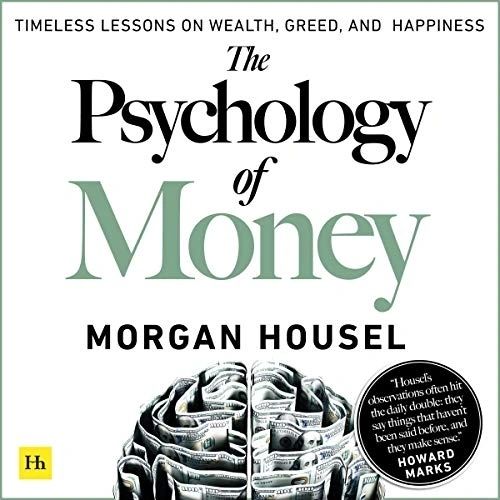
    A screenshot of a book entitled: Timeless Lessons on Wealth, Greed, and Happiness. The Psychology of Money by Morgan Housel.

    The following books are some of the highest regarded and best-selling personal finance books of all time and of course not a complete list. This list is presented in no particular ranking and is not intended as an endorsement of these books by Progressive Debt Relief, but as a possible resource that may help in achieving your personal finance goals.   

    The Money Book for the Young, Fabulous & Broke, by Suze Orman

    The book was written to address the specific financial reality that young people face today and is financial expert Suze Orman’s response to a generation’s cry for help. Often referred to as “Generation Debt”, or people in their 20s and 30s who graduate from college with colossal student loan debt and are faced with one of the weakest job markets in a long time. They know they must take urgent steps to take their plight into their own hands. But how? Orman tells her broke readers exactly what actions to take and why. Orman takes the reader to a secure place where they’ll never have to worry about not having money again.

    Secrets of the Millionaire Mind-Mastering the inner game of wealth, by T. Harv Eker

    T. Harv Eker is president of Peak Potentials Training, a popular success training and seminar company. The author shares his secrets, principles, and techniques for creating wealth. Eker teaches people how to play the inner game of money so that they not only achieve financial success but how to keep it once they obtain it. According to Eker, who went from broke to millionaire in two and a half years, if you are poor, it’s because you think like a poor person and if you’re rich, it’s because you think rich. Don’t worry, according to Eker, if you start thinking like a mogul, you can become as wealthy as one too.

    Think and Grow Rich, by Napoleon Hill

    Although written way back in the 1930s, it is considered a classic, and still relevant today. A perennially best-selling book of self-development that challenges the reader to decide what they truly desire and to become extremely focused on the steps required to achieve success. 

    The author, Napoleon Hill, interviewed several millionaires and philanthropists, including Andrew Carnegie, a steel magnate, and one of the richest individuals in the world at the time. The book takes an in depth look at the power of the mind and personal belief and how these influence our success.

    The Psychology of Money: Timeless lessons on wealth, greed, and happiness, by Morgan Housel

    Award-winning author and former financial columnist for the Wall Street Journal, Morgan Housel shares 19 short stories exploring the strange ways people think about money and teaches you how to improve financial decision by making sense of one of life’s most important topics. 

    Housel suggests doing well with money is not necessarily about what you know about money but your behavior with money. 

    Housel points out investing, personal finance, and business decisions are usually taught like a math-based course, where data and formulas guide us on what we should do. However, Housel teaches in the real-world people don’t make financial decisions on a spreadsheet. They make them at the dinner table, or in a meeting room, where personal history, your own unique view of the world, ego, pride, marketing, and odd incentives become part of the decision process.  

    Your Money Or Your Life, by Vicki Robin

    In this book, Robin offers a new perspective on money management and enjoying financial independence.

    The author presents a 9-step program to live more deliberately and meaningfully. Some of the steps include:

    • Calculate your real hourly wage

    • Track your expenses

    • Ask yourself 3 questions about satisfaction, values and purpose of life

    • Create a visual chart of your monthly income and expenses. 

    Also included is information about attaining new skills for side hustles that can help you generate additional income streams.

    The Simple Path To Wealth, by J. L. Collins

    The book offers ways to master your finances by managing your debt by spending less than what you earn and investing the surplus. The author also teaches ways to remain debt-free through a debt repayment strategy that includes paying off debt wisely, eliminating non-essential spending, and beginning investing early.

    In addition to debt management Collins shares investment strategies on how to let money work for you, such as investing in index funds.  

    Rich Dad Poor Dad, by Robert Kiyosaki

    Although Rich Dad Poor Dad was written more than 20 years ago, it has been updated for today’s environment. It is one of the best-selling personal finance books of all time. The book will teach you about the different mindsets of rich and poor people, and how rich people think for wealth creation. It also teaches the importance of financial literacy, financial independence and wealth building by investing in assets, real estate investing, starting and owning businesses, as well as increasing one’s financial intelligence.

    One of the focuses of the book is understanding assets vs. liabilities. An asset is anything that generates and grows your money over time, such as a business, stocks, mutual funds, and real estate. While a liability is something that takes money out of your pocket such as buying a new car. 

    The Financial Diet: A Total Beginner’s Guide to Getting Good with Money, by Chelsea Fagan 

    The Financial Diet is the personal finance book for people who need an overspending detox, buried with student debt, or just trying to figure out how to live on an entry-level salary. The Financial Diet presents tools to make a budget, understand investments, and deal with your credit. The author taps a range of experts to help you make the best financial choices, but she also knows that being smarter with money is not just about what you put in the bank. It’s about everything—from the clothes you put in your closet, to your financial relationship habits, to the food you put in your kitchen (instead of ordering in again). 

    The Financial Diet teaches:

    • how to get good with money in a year.

    • the best way to make (and stick to!) a budget.

    • the ingredients everyone needs to have a budget-friendly kitchen.

    • how to take care of your house like a grown-up.

    • what it means to invest (and how to do it).

    There are many other excellent personal finance books, these are just a handful. You’ve probably noticed a common theme amongst these books and that is our thinking and mindset can largely impact our financial success.

    If mounting debt, such as credit card, payday or installment loans, etc. is getting in the way of your financial success contact Progressive Debt Relief by calling 877.590.1847 or scheduling a free consultation online.

     *This content must be used for informational purposes only. Progressive Debt Relief does not provide legal, financial or tax advice and the above should not be construed as such. 
  • What to look for in a debt relief company

    Mix of words: Collection, Medical, Credit card, Overdue, Debt, Crisit, Loan, Urgent, Default, Balanced, Crash, Bankruptcy, Investment, Fniancial, Repartment, Bank, Variable Rate, Money, Taxes, interest, Government, Mortgage, Fixed-rate, Budget, Economic, Market.

    Do you have mounting debt, feel overwhelmed and need help?

    A debt relief company’s services can be very helpful. To choose the best debt relief company, you should consider the type of debt you owe, the amount of each debt, your credit score, and your ability to make monthly payments. Have this information in front of you before you speak with a debt relief company as it will expediate the process. While there are plenty of debt relief companies out there, you want to select one that you feel confident will have your back. 

    Here’s what to look for.

    A debt relief company will typically provide debt settlement services for unsecured debt. The service will usually include documenting all your debt and negotiating a settlement with your creditor(s). If a resolution is reached with your creditor, the terms of the settlement are put in writing. Often settlements are structured to be paid through an agreed schedule over a period of months. Debt settlement services can have their pros and cons and a reputable company will educate you of the positive and negative aspects of different options.

    A good debt relief company will prepare you for the goal of having a debt free life by providing counseling, budget recognition, and monetary awareness, to ensure you have all the tools necessary to avoid any financial distress in the future. 

    Look for a debt settlement company that does not charge upfront fees, is fully transparent about their fees, and has been certified by an accredited service center such as IAPDA. Also, look for a company that has an extensive history of excellent customer service, as indicated by their customer reviews. Facebook and Google are good sources for learning what their customers have to say about them. Reading reviews helps you to understand the company’s overall customer satisfaction. If the company has a negative review, (almost every business has some), notice how they have responded.

    Time in business is also very important. You want to work with a debt relief company who has been in business for many years and is certified by an accredited service center such as IAPDA. They will have established relationships with all the major creditors and experience in knowing how to navigate difficult negotiations on your behalf. If a debt relief company has not been in business for many years you may find they will over promise and misrepresent unrealistic results just to get your business.  

    Be sure to ask any debt relief company you are considering if they have any minimums to qualify for their debt relief program.  

    If you need a good debt relief company to help you with your unsecured debt, look no further and contact Progressive Debt Relief. We’ve been in business for almost 20 years, have extensive experience and expertise working with major creditors, numerous excellent reviews, IAPDA accreditation, no upfront fees, and no minimums to qualify! Call 877.590.1847 or schedule a free consultation online today. 

     *This content must be used for informational purposes only. Progressive Debt Relief does not provide legal, financial or tax advice and the above should not be construed as such.
  • Free personal finance tools for optimizing your money management

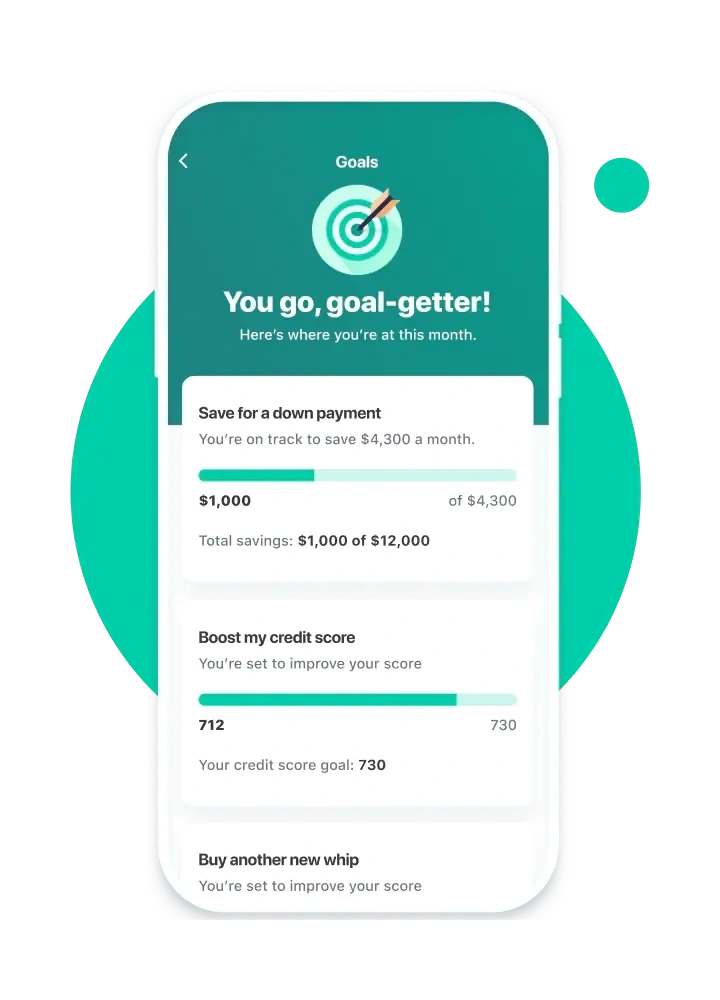
    A screenshot of an app that has a heading: "You go, goal-getter!" Here's where you're at this month. Save for a down payment. With a visual of what was saved VS target savings in a month. $1,000 total savings over $4,300 target savings. Below is Boost my credit score target from 712 to 730 target.

    Money management can seem like a boring, even stressful task. However, it doesn’t have to be if you use tools.  

    Let’s take a look at some free personal finance tools that can make money management a lot easier and even fun. 

    Mint

    Mint is a budgeting app that allows you to connect all your bank accounts, money management accounts, retirement and investment accounts, credit cards and other financial accounts, in one digital space providing you a high-level overview of your financial health. You also add and track all of your bills and set up reminders so never miss paying a bill on time.

    The app also allows you to track spending and savings and set and track budget goals. If you don’t want to use the mobile app, you can create an online account and use your browser to access it.

    After connecting your financial accounts, Mint tracks your transactions and categorizes them into budget categories to simplify tracking. You can keep the default categories or create your own custom categories.

    Mint is for individual users; however, two people with joint financial accounts can each create their own Mint account and sync the same accounts and view the same information. 

    https://mint.intuit.com

    Personal Capital

    Like Mint, Personal Capital allows you to see all your accounts in one place, including your investments. However, their planning and analytics tool allows you to go deeper with your investments.

    Mint is often used for budgeting while Personal Capital can be better for tracking your investments and for making suggestions based on your goals. Personal Capital can also calculate your net worth. 

    https://mint.intuit.com

    Nerd Wallet Compound Interest Calculator 

    The Nerd Wallet calculator is great for projecting the future balance of your investments. It’s a quick way to see what your investment might be worth in the future. Of course, there’s no guarantee on the projected return, but it can be a good motivator for putting money aside and seeing what it could potentially grow to. 

    https://www.nerdwallet.com/banking/calculator/compound-interest-calculator

    Bank Rate Financial Calculators

    Bank Rate offers a calculator for just about any financial area you may need help with. The nice thing about Bank Rate’s calculators are they allow you to factor in interest, fees, and taxes which can assist you in deciding on whether to make a new investment, buy a new home or car, or in taking on new debt.

    The Debt Paydown Calculator allows you to include and project the impact of making additional monthly payments. 

    https://www.bankrate.com/calculators

    Google sheets

    Google sheets is a web-based spreadsheet that can help you stay on track with your finance goals. Its functionality is very similar to Microsoft Excel with data entered in rows and columns. You can use it to track debt, investments, or to create a budget. All you need is a Gmail account, which is free. 

    https://docs.google.com/spreadsheets

    Hopefully, you will find one or more of these tools beneficial in managing your finances and helping you stay on top of your financial goals. 

    If you are struggling with unsecured debt and would like to speak to someone regarding debt consolidation services, contact Progressive Debt Relief for a free consultation 1.877.590.1847. 

    *This content must be used for informational purposes only. Progressive Debt Relief does not provide legal, financial or tax advice and the above should not be construed as such.

  • Can having multiple credit cards build your credit faster?

    A snapshot of 3 credit cards: Mastercard, Visa and American Express.

    One way to build up your credit score is by using a credit card and paying it off on time each month. On the other hand, having multiple credit cards may help build your credit even faster. 

    By having multiple credit cards, you can lower your credit utilization, which is the ratio of your outstanding credit card balances to your credit limit. This ratio can account for as much as 30 percent of your credit score. Credit utilization measures the amount of available credit you are using. For example, if you have a credit card balance of $2,000 and your credit limit is $5,000, then your credit utilization for that credit card is 40%, 2,000 divided by 5,000. If you have another credit card with a balance of $300 and your credit limit is $3,000, then your utilization would be 10% and your combined credit utilization would decrease to just under 30% for both cards. A credit utilization of 30 percent or lower is generally considered ideal. 

    However, it is not a good idea to apply for multiple credit cards at once, but to space them out over time. By applying for several cards over a short period of time, you might be sending a signal that you are in financial distress and present a risk to lenders that could lead to a drop in your credit score. If you do not have a lengthy credit history, a new credit card application will open a hard inquiry, which can lower your credit score. This is because a new application can represent more risk for the card issuer. When you apply for a credit card, the card issuer will pull your credit in what is known as a “hard inquiry” which is a process of reviewing credit information to determine whether you meet the criteria to lend money to.

    While there is no ideal number of credit cards to have, too many credit cards may hurt your credit score if you consistently carry a balance. By having too many outstanding credit lines, (even if you don’t use them), you might hurt your credit score by making you look riskier to lenders due to the potential of spending your available credit lines. There are other factors such as your income, payment history, etc., that can also play a factor against your lines of credit and score. It can also be more challenging to control spending, as well as to keep track of payment due dates on multiple cards.

    If you cancel your credit cards that will decrease your credit limit and could negatively impact your credit scores. Lower credit limits can make you look riskier by spiking your credit utilization ratio. Anytime your credit card balance becomes a higher percentage of your total credit limits you can appear riskier to creditors. For this reason, it is often best to keep your cards open, especially if you are planning to make a big purchase such as buying a home or a car. If racking up debt on your credit cards becomes a problem, you can store them so you will not have easy access.  

    You can see how your credit score might get a boost if your credit utilization goes down. Of course, this depends on not keeping balances. It is best to only charge a fraction of your credit limit to keep your utilization rate below the 30 percent level. Over time you can request a higher credit line with your card company. 

    In the end, having more than one credit card can increase your total available credit, and consequently your credit score. However, the key to building your credit score is to use your credit cards responsibly by making payments on time and by not using too much of your credit limits. 

    If credit card debt or any other type of unsecured debt such as pay day and installment loans, phone, or medical bills have become a problem you can reach out to Progressive Debt Relief by calling 877.590.1847 or schedule a free consultation with an account manager through our online form. 

     *Progressive Debt Relief does not provide legal, financial or tax advice and the above should not be construed as such. 
  • Startling Stats About Credit Card Debt in America

    A photo of a laptop that has Online Shopping website pulled up with a hand holding a credit card on the left.

    If you have credit card debt and would like to know where you stand compared to your fellow Americans than read on to find out. GOBankingRates, a personal finance news website, recently conducted a survey on debt in America and revealed some startling statistics. The survey found 30% of Americans have credit card debt between $1,001 and $5,000. Another 15% have $5,001 or more in credit card debt and approximately 6% have debt of more than $10,000. All this adds up to 14 million Americans having over $10,000 of credit card debt.

    Just how long do most Americans think it will take to pay off that debt. Well, twenty five percent of people surveyed think it will take 2 years or more to pay off their credit card debt.

    While fifty nine percent believe they will be able to pay off their credit card debt within six months, thirteen percent believe it will take at least a couple of years, and eight percent think it will take five years. Lastly, two percent feel hopeless and never think they will ever be able to pay it off.

    For perspective, fifteen percent of Americans have been in credit card debt for 15 years or more

    Another survey conducted by Inside 1031 found that fifty five percent of people carry a balance from every month and forty percent have been carrying credit card debt for more than 3 years. Fifteen percent have had credit card debt for over 15 years. 

    Forty nine percent of Americans Use Credit Cards to Pay for Essential Living Expenses

    The Inside 1031 survey also found that forty nine percent of Americans depend on credit cards to help pay for necessities. This is most common among generation Z and millennials who often depend on credit cards to pay for living expenses. This is a stark contrast to the twenty six percent of boomers using credit cards to cover essential expenses. Of course, most boomers have had time to accumulate financial resources compared to someone just starting out.

    Forty five percent of Americans Have Taken on More Credit Card Debt During the Pandemic

    Since the pandemic began, forty five percent of Americans have added to their credit card debt, the survey found and those who carry a balance from month to month are two times as likely to report having more debt now than before the pandemic.

    Most Americans have missed at least one credit card payment

    The survey also found fifty seven percent of Americans have missed at least one payment citing the most common reason as simply forgetting, but the next most common reason was paying for essential such as food and groceries.

    Forty three percent of Americans rely on their credit card for a $2,000 emergency

    Thirteen percent of Americans have no emergency savings and thirty seven percent currently have less than $1,000 in emergency savings, so it’s not super surprising that nearly half of Americans said they would rely on a credit card to cover a $2,000 emergency.

    If credit card debt or any unsecured debt such as payday and installment loans, medical and phone bills, have become a problem and you would like to speak to someone about a program that may be able to help you, please schedule a free consult with one of the account managers at Progressive Debt Relief. To schedule please call 877.590.1847 or use the online contact form. 

    *This content must be used for informational purposes only. Progressive Debt Relief does not provide legal, financial or tax advice and the above should not be construed as such.
  • Ideas for building your credit score

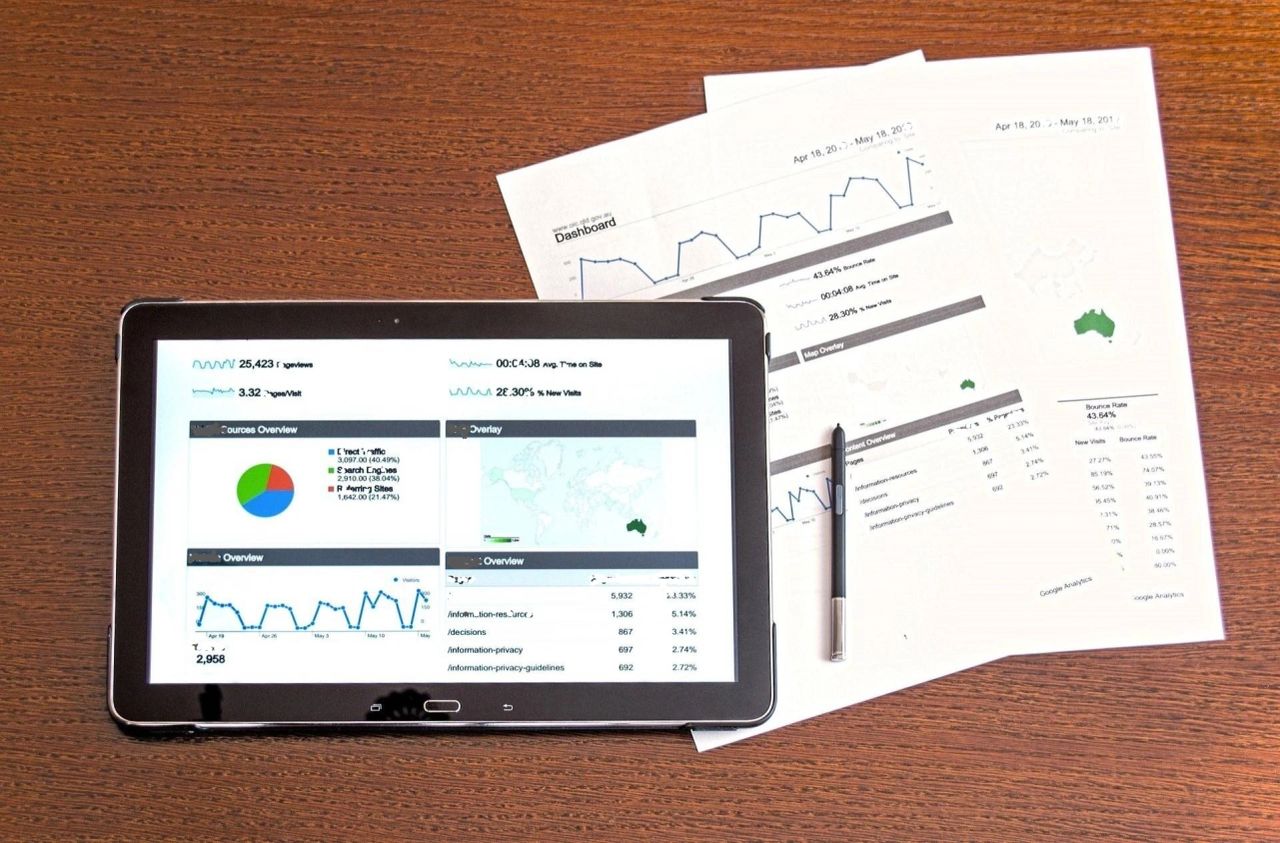
    A photo of a tablet device with reports and pie chart, along with printed papers on the right, with graphs and financial report.

    Have you struggled to build up your up-credit score? Good news. There are now more ways to build it up without having to take on debt. 

    Having a good credit score can be crucial in getting a loan with a decent interest rate, while not having one can make it really difficult to obtain a loan. 

    Building a credit score in a nontraditional way.

    An important first step that can help you build a solid credit score is to check if you have a credit report on file at any of the three major reporting companies, TransUnion, Experian, and Equifax.  If you discover you have a credit report, it does not necessarily mean you have a credit score. There may not be enough information on it to create a credit score. Make sure the information on your report is accurate and up to date. If you find any errors, you can send a letter and dispute the inaccuracy by explaining the error. The bureau generally has 35 days to investigate and respond. 

    Using a credit card or loan to build your credit score

    If you don’t have a credit score one of the easiest ways to get one is to be added as an authorized user onto the credit card of someone who already has good credit. For example, let’s say you have a lot of student loan debt, and are unable to qualify for a credit card, and you are married, your spouse could add you as an authorized user. 

    If that type of option is not feasible and you would like to have your own credit card but cannot qualify, you could start with a secured credit card. This option will require you to have a bank account with some funds in it.

    A secured credit card is unlike most traditional unsecured credit cards because they require you to put a deposit down first. For example, if you have $300 to put down, the card will usually grant a $300 line of credit. Not only can a secured card help you build up your credit they can also be a good learning tool for only taking on debt that you can afford to pay off. These cards minimize risk because the money to pay off the debt is already in your bank account.

    Another option is a credit builder loan, which is often available at credit unions and smaller banks. These are loans that you’ll pay for in installments and receive the money at the end. By making timely payments you can increase your credit score.

    Use your payment history and other payments

    There are also services now that allow you to get credit for other monthly payments you make to show your creditworthiness.

    The credit reporting firm, Experian, recently launched Experian Go. This service allows users to create a credit report and score using any lines of credit or loans that are already in your name.  Another tool that can be quick way to build a credit profile while increasing your credit score is called Experian Boost. This product lets users add payments such as cell phone bills, utility bills and streaming service memberships to their Experian credit report. Most of these services are free while some services charge a fee, Transunion’s eCredable Lift, costs $24.95 a year, and is an app which works with your utility companies to pull in your account and payment history. 

    There are other services that let you pull your monthly rent payments into your credit report, which may boost your score. Check with your landlord, some of these services come with fees, while others are free.

    Mistakes to avoid

    It can take six months or more for you to see any changes in your credit score, no matter what you do, but your credit progress can be quickly erased if you miss a monthly payment. This can put a big dent in your credit score. One way to ensure you don’t miss any payments is to set your recurring bills on auto pay. 

    Get help if you need it

    If debt has become a problem and you would like to speak to someone about your credit or need help managing unsecured debt, such as payday and installment loans, and credit card debt, you can contact the account managers at Progressive Debt Relief. You can schedule a free consultation by calling 877.590.1847 or through the online contact form. 

    *This content must be used for informational purposes only. Progressive Debt Relief does not provide legal, financial or tax advice and the above should not be construed as such.
  • What could happen to my credit card debt if interest rates go up?

    A visual or graphic of a graph with an arrow going up.

    Inflation can be seen everywhere from the gas pump to the grocery store. Supply chain issues have significantly increased the consumer price index in Q4 of 2021 which has led the Federal Reserve (Fed) to indicate it will try to drive down inflation by raising interest rates up to three times when it meets quarterly in 2022. 

    A wide variety of consumer loans, including credit cards, are tied to the Fed funds rate which is used to control the supply of money, which impacts inflation and other interest rates. Raising the rate makes it more expensive to borrow by lowering the supply of available money, which increases the short-term interest rates and is designed to keep inflation in check. 

    The Federal Reserve will hold its next policy meeting in mid-March, and many economists expect it will raise interest rates. That action means you could be facing higher credit card rates in April or May, as credit card company’s rates are usually tied to the federal funds rate, and they pass the higher interest rate to customers within a few months. 

    According to Investopedia, the average credit card interest rate is 19.49% as of December 31, 2021. Many credit cards are based on variable rates that rise or fall as short-term interest rates move up or down. If you have a variable rate card and the Federal Reserve increases rates you will most likely see an increase in your rate.

    The average rate is 12.88 percentage points above today’s prime rate of 3.25%, which is near record-high spread levels.

    How much more will it cost to borrow on a credit card? 

    If some economists’ predictions are correct, the Fed could raise short-term interest rates by a quarter of a percentage point multiple times this year. If this happens, interest rates on variable rate credit cards could rise throughout 2022. Individuals with lower credit scores could face interest rates as high as 25%. With anticipated rate hikes now is a good time to formulate a plan to pay off high-cost credit card debt, as well as putting the brakes on borrowing through lines of credit.  

    Good news, bad news

    If you pay your loan balance off on time you should not notice any difference from a rate hike, and with the higher rates the prices of goods should come down, which is a welcome relief for everyone. However, if you only pay the minimum amount due or carry a balance on your credit cards then you most likely will be paying more on your debt. 

    What can you do if you feel like you cannot get out of debt?

    The first step is to acknowledge your financial situation and make an account of all your debt. Compile it into a spreadsheet, Word document or write it down on paper. Note the sources of debt, how much and to whom it is owed, and how much you can afford to pay each month. 

    If you would like to speak to someone about a debt consolidation program you can contact Progressive Debt Relief for a free consultation by calling 877.590.1847 or though the online contact form. 

    *This content must be used for informational purposes only. Progressive Debt Relief does not provide legal, financial or tax advice and the above should not be construed as such.

  • Using balance transfer cards for managing and paying holiday debt

    A blurry photo of a sample Visa credit card

    Although the holidays are over, and the decorations are stored away for another year, the ensuing holiday debt can often be difficult to manage. For example, the buy now, pay later (BNPL) financing option was popular during the holidays, as almost 40% of Americans used this type of financing for holiday gifts. According to a survey by Lending Tree, more Americans borrowed during this past holiday season as compared to 2020. The survey found 36% of Americans took on an average of $1,249 in debt, with 62% using credit cards and 23% a personal loan. The majority of those surveyed indicated they would not be able to pay their accumulated debt off within 30 days. 

    If you find yourself faced with holiday debt, and the question of how to pay it off, balance transfer cards could be an attractive option. 

    Balance Transfer Cards 

    You have probably seen the ads or may have received the offer for balance transfer cards. Credit card companies, looking to grow their customer base, are promoting their low or zero interest balance transfer cards. These cards offer the ability to transfer an existing credit card balance onto a new credit card, with often no interest, for varying periods of time, typically six to 18 months.

    Are these card offers a good idea? They might be a good option if used wisely, as they can buy you some time to pay off your debt and save you the interest charges on your existing credit card balances. However, before moving forward you will want to read the terms and conditions carefully to understand the interest rate, late payment charges, and balance transfer fees, which can range from 3 to 5 percent, or a minimum dollar amount. You will also want to be aware of the consequences of not paying your balances off on time. Some cards can charge an accumulation of all the interest if not paid in full. Be sure to call and ask the credit card company, or bank issuing the card, for clarification on any of the terms that may not be clear. 

    You will also want to have a sound budget in place to ensure you are in a position to pay off your entire balance on time. A mistake often made is to view balance transfer cards as a no interest loan and open additional cards to transfer other balances over to. This can lead to spiraling debt and could damage your credit. Every time you open a credit account, it can impact your credit score, and if you do it too often, it can damage your credit and you could end up paying higher interest rates on future loans. 

    Debt can become a problem and feel overwhelming. If you find yourself needing help with credit card debt, or other types of unsecured debt, such as payday and installment loans, medical and phone bills, you can contact Progressive Debt Relief for a free consultation by calling 877.590.1847 or by submitting our contact form.

    *This content must be used for informational purposes only. Progressive Debt Relief does not provide legal, financial or tax advice and the above should not be construed as such.

  • Achieve Your Financial Goals with these Money Saving Ideas

    A photo of coins in a jar and a pile of coins stacked together.

    With the new year upon us, now is a good time to consider your financial goals for the year. It might be saving for retirement, buying a new home, or simply finding ways to reduce your debt. To motivate yourself, start by writing down your goal and imaging how you will feel when you achieve it. Next, figure out how much time and money it will take and include them with your written goal. Remember, achieving your goal will most likely require you to save money. 

    So, here are some attainable methods to help you save that money and achieve your goal.   

    Cut the cable chord.

    The cost for cable television has risen over the past few years and can be quite expensive. You can cut out cable and still watch your favorite tv shows by using streaming services such as ATT, Hulu, Netflix, and Apple TV. These services can be significantly less than what you would pay for cable or satellite television.

    Go to your local library.

    If you love to read the newest book releases, then your local library can be a big money saver. Most new hardcover books can cost around $25. Instead of buying for them you can loan them from your library. You’ll receive all the joy of having that new book you’re dying to read, without paying anything. The only downside is you may have to put your name on a reservation list and wait a little before receiving it. 

    Save your change and dollars. 

    Saving can seem like a nice idea but difficult to do. There are a few simple strategies to build up savings quickly. One is to save your change and instead of spending it on trivial purchases put all of it in a jar or tin and label it with your savings goal. You’ll be surprised after a few months to see how much all your change has added up to. 

    Another saving strategy is called the 52-Week Money Challenge. With this strategy you commit to saving weekly, with one dollar the first week, two the next, three after that, etc. and by the end of the year, you will have saved $1,378. 

    Sell your stuff you do not want or need online.

    Instead of letting your unwanted items gather dust, you can turn them into cash by selling them on Ebay, or Facebook Marketplace. Just be aware of the costs for shipping and how you want to handle them. 

    Skip the coffee lines.  

    A great way to save money every day is to brew your own coffee at home. The average spend on coffee can run from $2 to $5 a day depending on the type, which equates to $730 and $1,825 a year. 

    Shop smarter.

    Grocery stores and some retail stores like Big Lots have a clearance section for products that can offer big discounts like 50% or more. Just be sure they are items you need, or you could end up wasting money on items you never use. Also, a good practice is stick to the items on your grocery list instead of yielding to impulse buying. After you finish shopping scan your cart and organize your groceries into two categories, need and want, and consider removing any items that are not a need

    Turn your purchases into cash.

    There is an app named Receipt Hog that gives you token coins for submitting photographs of your grocery and superstore receipts, and for filling out surveys. You can then redeem the coins through PayPal for cash or as an Amazon gift card. If you use a credit card for your purchases, be sure you are receiving a reward for doing so, such as points per dollar spent. Just be sure to allocate funds to pay off your balance when it is due, or the rewards will add up to nothing.

    If you have debt, you can apply these money saving tips toward reducing the amounts you owe. If your debt has become a problem and you need assistance with credit card debt, or any unsecured debt such as payday and installment loans, medical and phone bills, please call Progressive Debt Relief 1.877.590.1847 for a free consultation.

    *This content must be used for informational purposes only. Progressive Debt Relief does not provide legal, financial or tax advice and the above should not be construed as such. 
  • New rules allow debt collectors to reach you on social media

    A snapshot of a smartphone's homescreen that shows different social media applications and messaging apps.

    There are a lot of households in debt. According to the Federal Reserve, household debt in America hit a record $14.6 trillion in the spring of 2021 and there was $17 billion in credit card debt in the third quarter of 2021. With all this debt, it is no surprise that debt collection has become a multi-billion-dollar industry, with more than 8,000 debt collection firms in the United States. 

    The Consumer Financial Protection Bureau has recently updated rules for debt collection. Debt collectors now have the authority to direct message (DM), text, email, as well as contact you on your social media channels, such as Facebook, Instagram, and Twitter to collect unpaid debts. 

    The new change, which took effect November 30th, brings the decades-old Fair Debt Collection Practices Act up to speed with the current digital age. When the 1977 Fair Debt Collection Practices Act was first written social media and text messaging did not exist. Although debt collectors were not previously prohibited from contacting consumers over text or on social media, the revised rules are designed to provide clarity in 2021 and beyond. 

    The first rule, which was announced last year, clarifies how debt collectors can use email, text messages, social media, and other ways to communicate with consumers. The second clarifies the disclosures that debt collectors must give to consumers when they first make contact.

    A debt collector is permitted to send you a friend or follower request, however, they must identify themselves as a debt collector. Although there is no cap on the number of messages they can send you, they must provide a straightforward way for you to opt out of receiving further communications from them. 

    There is no need to be concerned about your friends and family hearing about your debts on social media, as debt collectors are not allowed to share debt information on your profile page, or in comments that could be seen by your friends, followers, contacts, or the public. All communications regarding your debts must be conducted by private message. 

    Debt collectors can also contact you by email and text messages, however they must offer the ability to opt out or unsubscribe from receiving messages from them. 

    For debt collection phone calls, the new rules restrict how often collectors can call you. They are now limited to seven calls per week per account in collection. If you have already engaged in a phone conversation with a debt collector, then they are prohibited from calling you about that debt again within seven days of the call.

    The revised rules also prohibit debt collectors from suing or threatening to sue on money a consumer borrowed and did not repay but which is no longer legally collectable because a certain number of years have passed. 

    Before debt collectors can disclose the existence of a debt to a consumer reporting agency, they must take specific steps to inform you of the debt by either speaking to you via phone or in person, or by sending an electronic communication (including social media) or regular mail. The debt collector must wait at least 14 days after the communication before reporting a defaulted debt.

    If you have unsecured debt such as payday and installment loans, credit cards, medical and phone bills, Progressive Debt Relief has free consultations available to discuss options to becoming debt free by calling 1.877.590.1847 or submitting our contact form.

  • Steps for Establishing an Emergency Fund

    A photo of a medical kit or a first-aid kit.

    Unexpected expenses can arise out of nowhere and create a lot of stress. Yet, it doesn’t have to if you have a plan in place. Conventional wisdom suggests you should have enough money set aside in an emergency fund to cover at least three to six months of expenses. Many are finding it hard to save in the current economic climate of rising prices and inflation. However, establishing an emergency fund can be accomplished with the right preparation and planning. 

    Evaluate Your Current Spending 

    The first step to establishing an emergency fund is understanding your current financial situation. A good place to start is by creating a budget. A budget can help you identify your cash flow, how much you have coming in and going out, and highlight areas where you can cut back or eliminate spending. An excel spreadsheet is a great tool for not only creating a budget but also helping keep track of your cash flow. It will help you highlight some hidden areas where you spend your money on things that are non-essential such as rent/mortgage, utilities, and groceries.

    Understanding your budget will allow you to identify opportunities to start putting money aside for your emergency fund. This will put you in a position to stress less and avoid more costly options like credit cards or pay day loans to finance unexpected emergencies. To stay motivated think of how good it will feel to have money set aside. 

    A concern some have to building up an emergency fund is the thought the money should be going toward paying off debt before setting aside money for savings. It’s important to understand the type of debt you have. For example, debt with a high interest rate such as credit card debt, should be paid back as soon as possible, while an auto loan or mortgage will typically have a lower interest rate, and making payments on time should help build up your credit score.  

    What if I can’t afford to set aside 3-6 months? 

    If setting aside savings of three to six months of expenses seems daunting, then start small. The Consumer Federation of America indicates an emergency savings fund should consist of at least $500. One way to get started is to create a savings system for making consistent contributions. You can set up recurring transfers through your bank or credit union, so money is moved automatically from your checking account to your savings account. You get to decide how much and how often. But once you have it set up, you will be making consistent contributions to your savings, which will build up over time.

    The important thing to remember is to start a fund and then add to it as regularly as you can. Be sure to keep the money in a separate account earmarked for emergencies and look for a savings account that offers interest and that does not have account fees which can eat into your savings. 

    When should I use my emergency fund?

    Not every unexpected expense should be deemed a critical emergency and a reason to tap your emergency fund. Establish some rules on what constitutes an emergency or unplanned expense. Generally speaking, if an expense is outside of your planned budget, it could be deemed a valid expense to tap your emergency fund. Just remember to stay on track and keep building your fund back up again. 

    If you need assistance in getting control of your finances, Progressive Debt Relief provides a service that helps individuals that want to get out of, as well as eliminate debt. Free consultations are available by calling 877.590.1847 or through our contact form.

  • 4 Strategies for Combating Inflation and Going into Debt

    A visual of a $1 US money with gears on the background.

    Whether it’s gas, groceries, clothing, and other goods, prices are rising everywhere you look. Inflation continues to rise and has everyone wondering when it will ease back down, especially with the holidays quickly approaching. 

    Here are some strategies to keep you from going into debt. 

    1. Review your financial picture

    Calculate your assets, including checking, savings, investments, and retirement accounts, also include the value of your home or any other properties you own. 

    Next, add up your debt, including credit cards, student loans, mortgage, and car loans. Then calculate your net worth: assets – liabilities = net worth.

    2. Review your monthly budget

    You can use anything from a piece of paper, excel spreadsheet, or an online application to calculate your monthly income and expenses. Consider doing this for each month of the year so you include any annual expenses. Once completed you can try using a budgeting strategy called the “60% Solution.” This is where you apply first 60% of your net monthly income (money you have available to spend after taxes) to priority expenses, which includes, housing costs (rent/mortgage, utilities, repairs, etc.), credit card bills, internet, cable, memberships, anything you must pay each month.

    The next 30% goes to savings: 20% to long-term savings, such as a 401K/IRA, stocks, bonds, CD’s (Certificate of Deposit), etc., and the other 10% to short-term savings, this would be money you can easily have access to for emergencies or for a big purchase you know you are going to have to make.

    The remaining 10% can be applied to discretionary spending for whatever you want to spend it on, such as gifts, recreation, and entertainment. 

    3. Rethink your spending, especially during the holidays

    After completing your budget and analyzing your financial situation you will be in a position to know what you can afford to spend and where you need to make spending cuts. Consider your spending in advance of the holidays. If your financial picture is challenging, then it is best to have a frank discussion with your family and friends about what you can afford to spend for holiday gifts. 

    One option that can save on holiday gift spending is to do a secret Santa, where you buy one gift, and everyone picks a turn out of a hat in selecting a gift. This way everyone receives a gift but instead of purchasing numerous gifts, you are only purchasing one, while everyone receives a gift.

    The holidays are a good time to reflect on your overall spending habits and analyze your expenses to see if there are items you can reduce or eliminate so you can put that money towards debt, savings or another financial goal. 

    4. Notice your feelings

    It’s easy to feel down during these chaotic times, however before you consider making an impulse purchase to feel better, consider your emotions before moving forward. Ask yourself if you need the item or are you buying it to make yourself feel a certain way. Consider if the purchase fits into your 10% discretionary spending budget. 

    The supply-chain shortages can induce fear and the feeling that you could be missing out if you don’t purchase right away. This can lead to buying items “just in case” you may need them. 

    Unfortunately, a lot of Americans will spend money beyond their budget during the holidays, leading to debt. Progressive Debt Relief provides a service that helps individuals that want to get out of, as well as eliminate debt. Free consultations are available by calling 877.590.1847 or through our contact form.