2020 started as a promising year for the economy, with stocks being traded at an all-time high and consumers feeling good about their finances. Unfortunately, the blue skies didn’t last long as the global coronavirus pandemic created dark clouds of uncertainty that brought many economies to a standstill. Due to our current situation, many experts fear that our economy is falling into a recession. Whether it does or not, it’s important to take measures in preparing your finances to be able to handle the weaker economy that we are now living in. Here are some financial strategies to help you weather a recession.

How to Prepare Your Finances for a Recession

· Consider Refinancing Your Mortgage
· Lower Your Credit Card Interest Payments
· Save Your Money
· Implement A Budget
· Eliminate Your Debt

Consider Refinancing Your Mortgage

Now is the perfect time to refinance your mortgage, as the average 30-year fixed-rate mortgage hit a record low in early March. Financial experts recommend only refinancing your mortgage if you’re able to get at least a 0.5% – 1% drop in your current rate.

Lower Your Credit Card Interest Payments

Credit card interest rates are linked to the prime rate, which will drop when the Federal Reserve cuts rates. This happened in early March, so you’re more likely to get a better deal now. If you’re planning on shifting your debt to a new card, consider applying for a balance transfer credit card so you won’t be charged for the moving fee.

Save Your Money

Not being able to go out to restaurants and other public places isn’t an ideal situation, but it’s one that can save you a lot of money. Figure out how much money you would be spending on going out to eat, attending social events, etc., and add an equal amount to your savings. Doing this will not only contribute a good chunk of change toward your future but also will allow you to figure out exactly how much you’re spending on things that could be reduced when life starts getting back to normal.

Implement A Budget

If you’ve never given budgeting a shot, or have and decided not to continue with it, now’s a great time to give it another go. Budgeting can give you a precise idea of exactly how much you should be spending on a given factor, allowing you to customize an ideal plan for yourself depending on your needs. If it’s your first time budgeting, take it slow and figure out a plan that will work for a short time period, like a month, before moving forward. This will give you room to make future accommodations and figure out exactly how much you’ll need to spend in a certain area.

Eliminate Your Debt

Now is the time to try and settle your outstanding debt, as many are in a more forgiving and graceful mood. The financial experts at Progressive Debt Relief are equipped to help you settle debt painlessly and discreetly by negotiating with your lenders to reach a repayment solution that works for you. We offer free consultations and no upfront fees to make sure you are in the best place to receive our services. To find out more about what we offer or to schedule a free consultation, contact us today.
Receiving a call from a debt collector or a creditor can be a very stressful experience for a borrower as they can often be intimidating and aggressive in their pursuit for repayment. In fact, many borrowers are so stressed about talking about their owed debts owed over the phone, that they either answer the calls unprepared avoid them altogether. Unfortunately, borrowers may be faced with significant consequences as a result of not knowing what to say or how to properly handle these types of intrusive calls. The following tips can help alleviate your stress and provide you with a roadmap for navigating calls from a debt collector.

Tips for Handling Debt Collection Calls

1. Document the Conversation – Keep track of all the information you receive on the call, including the person you spoke to, when you were called, and what the call was about.

2. Understand Your Debt – Before answering one of the many phone calls from your debt collectors, prepare in advance by learning as much as you can about the debt they are claiming you owe.

3. Know Their Agenda – Familiarize yourself with the legal limits of what a debt collector is able to ask, the methods they use to get information, and who they share your information with.

4. Try Transparency – Be honest with the debt collector and do not try to conceal information. If you do not have enough money to pay off the debt, let them know, as that will often give you more time.

5. Ask Questions – If you’re uncertain as to whether the claims about you owing money are true, talk with the debt collector about your doubts, as they may take a different course of action if your concerns are backed up with evidence.

What to Avoid When Talking With Debt Collectors

1. Don’t Overreact– Do not take out any frustration you may have on the debt collector, try to remain calm and collected.

2. Don’t Give Your Credit Card Number– Private personal information related to your finances should never be shared over the phone.

3. Don’t Overpromise– To avoid the prolonging of the time frame that debt collectors could potentially sue, try not to make false suggestions that you will be able to clear the debt at a certain time.

Progressive Debt Relief Is Here to Help

Here at Progressive Debt Relief, we know that having to deal with paying off debts and managing calls from debt collectors is a complicated and stressful experience. That’s why, for over a decade, Progressive Debt Relief has been providing our clients with a beneficial service that focuses on settling all of your debt related issues as efficiently and effectively as possible. Our client-first mentality is one of the reasons why we offer free consultations and no upfront fees. Our team of financial experts are dedicated to alleviating your debt-related stress by personally negotiating with your creditors.

For more information about our debt relief services, as well as how to schedule a free consultation, visit the free consultation page of our website or call us at 1-877-590-1847.
Almost a decade has passed since the Great Recession, but several economists now say that the next one is already upon us. According to a surveyby the National Association for Business Economics (NABE), 45 economists agree that the U.S. is currently in a recession due to the restrictive economic activity brought on by the novel coronavirus shutdowns.

However, it is not too late to prepare and stabilize your finances. These five simple steps will ensure that your finances are recession-proof.

1. Pay Down Your Debt

Getting rid of debt is a significant part of protecting yourself during the recession. Your first step should be to focus on paying any non-mortgage debts. This ensures optimal cash flow flexibility in the event of a drop in income.

2. Boost Your Emergency Savings

Recessions often result in job loss for a lot of people. Building an emergency fund will prepare workers for a potential loss of income. Be sure the emergency fund is enough to cover your living expenses for at least three to six months. This money can buy you time to search for your next source of income.

3. Develop Multiple Income Streams

Unemployment, furlough, or a salary reduction will cause you significant financial distress. By developing multiple sources of income from a second job or a profitable side-hustle, losing one job will not be as devastating a problem. Doing so will ensure that you have extra cash on hand during the good times and enough money in the event of a recession.

4. Live Within Your Means

Apart from the essential bills you pay each month, now is an excellent time to check how much you spend on "non-essential" items. Financial experts recommend spending less than 30% of your net income on non-essential goods and services. This way, you can have more money saved to weather a financial recession. Establishing a monthly budget is also a great way to guarantee that you are not overspending on luxury items or lifestyle expenses. If you do not have a budget, now is the time to create one.

5. Diversify Your Investment Portfolio

Never put anything in one basket — a common phrase looked over by most investors. If you have most of your money tied up in the stock market, an economic recession could spell financial disaster for you. To avoid this, you should rethink your investment portfolio. Make sure your investments reach out across different industries. When it comes to diversification, consider parking your money in various assets, such as:

· Residential or commercial real estate, or even vacant land
· International investments
· Traditional stocks and bonds

Partner With a Professional

To completely recession-proof your life, partner with the financial pros at Progressive Debt Relief. We can help you settle, negotiate, and eliminate your debt. Please note that we do not offer money or loans. Our expertise lies in negotiating with your creditor or debt collector to arrive at better terms of payment.

A recession will not wreak havoc on your finances if you have the right mix of investments, low debt levels, and multiple sources of income. For help withstanding an economic downturn, contact Progressive Debt Relief today.
Losing a job is a traumatic experience that causes drastic changes to both your financial and psychological state. However, unemployment won't stop your bills and debt from piling up. If recent changes in your employment status have affected your ability to pay your bills on time, here are some tips to help keep your accounts from going delinquent.
Secure Unemployment Assistance
Depending on the circumstance of your joblessness, you may be eligible for unemployment benefits if you are partially or totally unemployed. So, if you find yourself jobless and without any option of keeping up with your debts, the first thing you should do is find out whether you are eligible for unemployment assistance. The amount entitled to each individual will vary from state to state, but any amount will help you from accruing late fees due to missed payments.
Adjust Your Budget
Living on a strict budget is crucial to successfully repay your debts while unemployed. First, evaluate your financial situation, including emergency savings, and create a survival budget. Avoid making splurges and limit spending to only essential items like food, shelter, and utilities.
Talk With Your Creditors
Don't wait until you're in default to alert your lender that you are out of a job and cannot make your minimum monthly credit card payments. The earlier you contact them the better. Make sure they understand the severity of your financial situation, as they may offer hardship programs that can help you overcome short-term financial rough patches.
Some of the hardship programs at their disposal include:
Always remember that, while these hardship programs are beneficial, they can come with their fair share of downsides — such as lowering your credit limit, freezing your account, or closing your account. Therefore, it is important to establish clear terms from your lender before enrolling in any of their hardship programs.
Let the Pros Negotiate on Your Behalf
If you are currently unemployed and stuck in debt, Progressive Debt Relief has your back. Our experience negotiating with debt collectors and payday loan creditors can help you get the best repayment terms and pay down your debt faster. For more information on how Progressive Debt Relief can help eliminate your debt, contact us today.
Credit cards can be a decent source of funding in cases of financial emergency. However, it’s important to understand how credit works before using your credit card. Borrowed money is not free money, and it must be repaid — often with steep interest. If you’re considering utilizing a credit card for a fast cash advance, here’s what you need to know.

What Is a Cash Advance?

Generally, credit cards are used in place of debit cards to make purchases. These purchases come with an interest rate which is determined by your creditor. However, you also have the option of using your credit card to withdraw cash at an ATM. Such cash advances can be useful if you need a little money to fill your gas tank or to pay a pending phone bill. However, cash advances on credit cards should not be abused or used for frivolous spending.

Cash Advance Penalties

While a credit card cash advance may sound tempting, taking out cash advances is an easy way to dig a hole for yourself in terms of debt. Cash advances come with higher interest rates than normal credit card purchases, which means you end up paying more in the long run. Additionally, you're increasing your overall amount of debt, making it harder to pay off that debt when your next paycheck rolls around.

A Gateway to Financial Ruin

Credit card cash advances are a lot like payday loans; they are predatory lending practices that prey on desperate borrowers. Sure, they give you a little bit of pocket money before your next paycheck, but in return they slowly sink you into a pit of debt. With cash advances, you end up paying so much in interest that it becomes difficult to pay back, and suddenly you’re back taking out another cash advance to keep your head above ground.

This process is especially devastating for low-income borrowers who can easily get stuck in a cycle of seemingly inescapable debt. If you are in such a situation and need assistance staying out of or managing your debt, the best thing you can do is avoid taking out any more cash advances or payday loans and contacting a debt settlement professional immediately.

Credit Card Debt Cycle Relief

Once you get into debt, getting out of it can be tough. Fortunately for you, Progressive Debt Relief can help you negotiate and settle the outstanding debt that’s been giving you trouble month after month. With a few smart money management decisions and a little help from Progressive Debt Relief, you can eliminate your debt and regain control of your financial future. Contact us today for a free professional consultation.
Whether you’re insured or not, quality medical care comes with a hefty price tag in America. Unfortunately, those who suffer from serious health issues (or are unlucky enough to have been involved in an accident or medical emergency) often find themselves struggling to pay for the steep costs of their treatment. In addition to mounting debt, former patients might face numerous repercussions if they don’t pay their medical bills on time.

Consequences of Unpaid Medical Debt

Medical debt can result in steep penalties and even legal ramifications if it is ignored, neglected, or unpaid. Some of the consequences you may face include:

· Late fees – You’ll suffer extra charges after the first 90 days of missed payments.

· Low credit score – Your credit score can plummet 50 to 100 points because of unpaid med debt.

· Calls from collectors – You’ll receive harassing calls after being reported to a collections agency.

· Legal judgements – A judge can force you to pay through a court order, enforce liens against your home, and garnish wages to recoup your unpaid balance.

· Bankruptcy –Unpaid medical debt is one of the biggest causes of bankruptcy in America.

To prevent your financial future from flatlining, here are some strategies that you can implement that will help you settle your unpaid medical debt.

How to Deal With Unpaid Medical Debt

To help get out from under the crushing weight of unpaid medical debt, you can:

· Negotiate down your debt – Your debt collectors have a great deal of wiggle-room when it comes to your debt. By contacting your collectors or employing a financial debt expert to reach out to them on your behalf, you can successfully knock off hundreds, if not thousands, of dollars in debt just by negotiating a payment schedule. Some collectors may even reduce or eliminate interest — just get it down in writing.

· Establish a payment plan – Collectors are used to being ignored, so by reaching out and being transparent about your financial struggles and willingness to work towards repayment, the ball is essentially in your court. However, once you establish a fair and manageable medical debt repayment plan and agree to start making payments, you must stick to it. Slowly, over the next seven years, your credit score will improve.

· File for Chapter 7 bankruptcy – While it is a viable option to reduce medical debt, bankruptcy should be considered only in cases of extreme and unmanageable debt, as it will obliterate what is left of your credit score.

Rely on Medical Debt Relief Professionals

If you are struggling to repay your medical debt, the debt relief programs offered by Progressive Debt Relief can be your salvation. Our debt experts can help you to successfully negotiate for better terms and a lower interest rates — ultimately saving you a bundle of cash and stress each month while you chip away at your debt and avoid penalties. To find out more about our debt relief services, or to schedule a complimentary consultation, contact us today.
As a prosperous world power, America is undoubtedly a land of plenty. Indeed, the freedoms we enjoy as Americans afford many the opportunity to achieve the American Dream of obtaining a fortunate and comfortable lifestyle. While such freedoms are not free, they are often taken for granted and used irresponsibly by citizens who borrow and spend excessively — creating a financial burden on the entire country. In fact, the average American has around $6,000 in debt, according to Experian's 2019 Consumer Credit Review. Here are some of the biggest factors that contribute to Americans having so much debt.

A Greater Access to Excess

From expensive tech gadgets and high-class fashion to luxury automobiles and the highest quality goods and services, America is first to gain access to the world’s latest extravagances. Many Americans citizens have grown accustomed to a standard of living that includes:

· Daily trips to health food stores and coffee shops
· Weekly dining at fast food chains and five-star restaurants
· Monthly subscriptions to dining, entertainment, and fitness services
· Annual vacations at high-priced resorts in distant locales

Such convenient and enticing indulgences carry a hefty price tag, which, at the end of the day, can add up to a considerable amount of debt if not paid off.

The Desire to Fit In

Whether it’s FOMO (Fear of Missing Out) or YOLO (You Only Live Once), modern Americans have an uncontrollable need to keep up with the Joneses and will spend whatever it takes to be involved in and ahead of the latest popular trends. Their insatiable desire to remain current will often result in Americans spending well beyond their means. Such frivolous, drastic, and competitive spending will only lead to an avalanche of debt.

An Abundance of Available Credit Options

Any American over the age of 18 can apply for a credit card and start borrowing money almost instantly. Many college-age students view such credit as free money and begin a lifetime of debt before they fully understand how to be a responsible borrower. Furthermore, American citizens who are gainfully employed can receive advances on their paychecks by obtaining a payday loan. These types of predatory lending, fast cash options are always debt traps — as they include steep interest rates, fees, and payment deadlines that are nearly impossible to manage.

Ways to Control Your Mounting Debt

If you are an American in debt, there are ways to combat it. The best way to get your finances under control is to budget and reduce your spending to only necessities like food, gas, and rent. To prevent your debt from spiraling, contact the professionals at Progressive Debt Relief. Our expert credit negotiators can help you settle your debt to a more manageable balance. For more information on our services, or to set up a free consultation, contact us today.
During a medical emergency, treatment generally becomes the main priority and its expense an afterthought. Unfortunately, medical expenses are often more costly than one would expect, and patients end up digging into their pockets to settle their accumulated hospital bills. Those who are less than diligent with their savings can easily become victims of a serious medical debt. Furthermore, failure to pay such debts can add insult to injury for a patient by resulting in harsh financial penalties.

Here is a list of the consequences you could face if you don’t pay your hospital bills.

Late Fees and Penalties

It is wise to read any and all paperwork before receiving medical assistance to better understand the terms and conditions that will apply to you if and when you fail to pay your bills. Just like with credit card debt, late or missed hospital bill payments will have you paying extra charges in the form of interest or late fees.

Ruined Credit Score

Regardless of your pressing financial situation, neglecting to pay your hospital bills can ruin your credit worthiness — causing you to be denied credit and declined large purchases. Additionally, unpaid medical bills will cause your credit score to plummet and will likely get you reported to a debt collection agency. Notorious for harassing borrowers with distressing calls and emails at all hours of the day, debt collectors are difficult to deal with and will not stop hounding you to pay up.

Legal Action

If you fail to pay your debt, your medical provider may take legal action against you. You may receive a letter that demands you attend a court hearing where your creditor will present details about the debt and you will be given an opportunity to speak. If the debt is valid, a judge will issue a judgement against you, in which you can end up paying both the debt andthe collection costs.

Garnishments and Liens

If the case proceeds to court, you may be forced to pay the debt in a less conventional way. In some instances, the court may resort to deducting a portion of your wage to go to debt repayment. Sometimes a judgment can create a lien against your home or any real estate that is in your name. In extreme cases of medical debt, ignoring your hospital bills can also result in you declaring bankruptcy.

How to Deal With Medical Debts

If you neglected to pay your hospital bills and are now facing mounting debt and penalties, there is still hope. Here are some strategies to help you navigate medical debt.

· Negotiate Your Medical Bill – Contact your medical provider and be honest about your financial situation. They may offer you affordable repayment options that can fit your budget and reduce your frustrations.

· Ensure Your Medical Bill Is Accurate – Examine your bill carefully to understand all charges and ensure you received every service you are being billed for. You can request a removal of charges if there are any discrepancies.

· Set up a Payment Plan – Working out a payment plan with the billing department can help you repay your debt without straining your finances. However, the plan may include interest.

· Stop Panicking and Seek Help – You do not have to go through debt repayment alone. There are institutions that can help you go through the repayment process with minimal stress and offer you professional assistance in managing your debt while course correcting your financial future.

At Progressive Debt Relief, we are always willing and ready to serve you. We may not give you loans or any financial assistance, but we can help you settle your debt by negotiating with your creditors on lowering your repayment amounts and interest rates. We can also help extend your debt repayment deadline to one that works for your budgetary schedule.

Book a free consultation today with our professionals, or call us at 1-877-590-1847 for more information on how we can help you face the challenge of repaying medical debt.
You may be deep in debt and think that moving to another country is an easier way out. However, running away from your debt is never the answer and can have severe effects on your financial future. To avoid escalating your financial nightmare from bad to worse, here are some crucial things that you should consider before attempting to leave your country and your credit debt behind.

You’ll Decimate Your Credit Score

If you leave the country before paying your credit debt, your creditors will charge off your debts and sell them to collection agencies. As a result, your credit report will suffer a devastating blow. Such a negative mark on your credit score will remain in effect for the next seven years, obliterating your credit worthiness and severely limiting your ability to make large purchases. While waiting out the seven years before returning to the U.S. may soften the effects on your credit score, a judgment can be entered against you before the end of the statute of limitation period — forcing you to stay abroad or pay up.

You’ll Receive Harassing Emails and Phone Calls

If you leave the country and continue paying your debts, you won't have any problem with your creditors. However, if you stop paying, your creditors will start calling you to collect the debt. Their bank’s collection department will also start sending you email messages to demand payment. Eventually, your debt will be written off and sold to a third-party collection agency who will then call and email you repeatedly for repayment, especially at the most inconvenient times of the day.

Your US Assets Can Be Seized

If you leave the country and stop paying your credit debt, the creditors will go for your investments and savings within the country. If your debtor files a lawsuit before you leave the country, it will continue and can be decided even in your absence. Even if the court cannot force you to pay the debt since you are away, the debt collector will go after any investment, savings, or money you left behind. Also, if you continue to work for a U.S.-based employer, your wages will be garnished.

You Can Be Sued

If your debt is large enough, your creditor may file a lawsuit against you. Ideally, they would serve you in the state in which the loan arrangement was actually made. However, if you flee, they may face several challenges in suing you, as loan arrangement penalties differ from one country to another. The bottom line is running away from your problems is never a good idea, because your debt will ultimately be waiting for you when you decide to come home. Fortunately, there are more adult and ethically responsible ways to honor your commitment as a borrower and manage your debts.

Get Help Managing Your Debt

If you are considering living abroad or are coming back to the U.S. and want to settle your unpaid debts, you’ll need to seek professional assistance. The experts at the Progressive Debt Relief will help you get your financial affairs back in order by negotiating and settling your debt. Our proven process will also help you avoid lawsuits and put an end to harassment correspondence from creditors. For more information or to book a free consultation, please do not hesitate to contact us today.
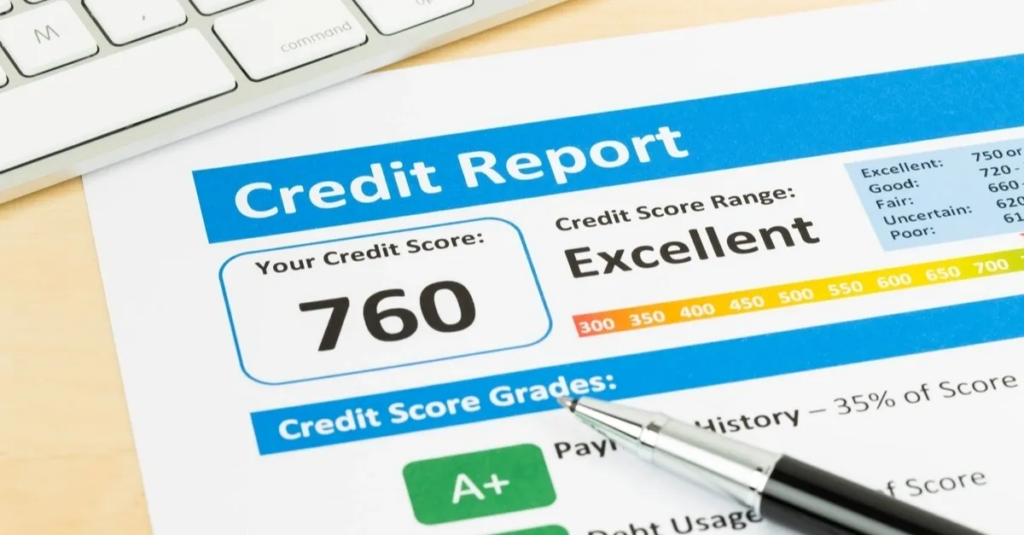
If you plan to apply for a loan in order to make a major purchase, such as a new home or car, you should aim at improving your credit score and reducing your debt. A credit score is a three-digit number that creditors and lenders use to help determine your loan eligibility and how likely you are to repay them on time if they decide to grant you a loan or a credit card. According to the credit bureau Experian, six in 10 Americans have a good (670 – 739) or better (740 – 850) credit score. However, if you are just starting out as a borrower and do not yet have a strong score, here are some tips for building your credit score and managing your debt in the process.

Don’t Miss Your Payment Due Dates

Your credit scores can be negatively affected when you pay your bills late or settle an account for less than what you initially agreed to pay. In addition to general loans, auto loans, student loans, and credit card bills, late payments for utility, rent, and phone bills can also reduce your credit score. Therefore, you must ensure that all your payments are on time.

Piggyback on Good Credit Habits

Becoming an authorized user will help you improve your credit score significantly. For instance, you can ask a family member with a good credit score to add you as an authorized user to their credit card. Financial research reveals that, if you have a lower credit score of under 550, being added as an authorized user can improve your credit score by 10% in just a month.

Keep Tabs on Your Credit Utilization Rate

Your credit card provider may deem your card inactive and shut it down if you leave it unused for long. As a result, your overall available credit may decrease, increasing your utilization rate significantly. That’s why credit utilization is among the most crucial categories that influence your credit score.

Credit utilization also plays a major factor in calculating credit risk. Using over 30% of your available credit lowers your credit score since it raises a red flag to credit card companies that there is a greater risk that you will not pay it all off or that you may take longer to settle it. Therefore, you should weigh your balances relative to your credit limit. This strategy will help you to ensure that you are not using too much available credit and accumulating a mountain of debt.

While these tips may take months for you to see a noticeable impact on your credit score, the only way to reduce your existing debt is to either pay it or settle it. Such a task can be difficult for most borrowers who don’t understand how to navigate the process of debt settlement. Fortunately, there are professionals standing by to show you the way out of debt.

Get Help Managing Your Debt

The debt management professionals at Progressive Debt Relief can help you get closer to the light at the end of the tunnel by negotiating with your lenders and creditors to reach a reasonable and manageable settlement on your debt. For more information about our debt relief services or to set up a free consultation, contact us today at 877-590-1847.
When you sign up for a mobile phone plan, you enter into a contract with your respective provider where you agree to pay for your service for the length of your contract, be it one or two years, or month-to-month. Unfortunately, financial issues may arise during that time that prevent you from paying your phone bill. While it is not a crime, the punishments for failing to pay your mobile phone provider can really eat into your lifestyle, affect your credit, and cost you in unnecessary late fees.

Here is what happens when you stop paying your phone bill.

Late Fees and Warnings

Phone contract payments are generally due every 30 days. Similar to unpaid credit card bills, phone bills will incur a late fee if a payment is not made by the due date. Typically, service providers will charge you a late fee of $5.00 or up to 1.5% of the outstanding balance. Oftentimes, late fees are applied within 24 hours after the original due date. After two consecutive months of missed payments, your late fees will double, and your service provider can report your missed payments to the credit bureaus.

Flagged Credit Reports

Not making a phone bill payment for 90 days can have as serious an effect on your credit score. The credit bureaus typically follow the 30-, 60-, 90-day rule when reporting missed payments. This means they generally won't report a missed payment on your credit report for anywhere between the first 30–90 days. However, if your phone bill payment is 90 days past due, your balance can be reported and potentially sold to a collections agency. This will cause your credit score to plummet.

Collections Reporting

Collections agents are notoriously relentless in their pursuit of recouping payments. Once you have been reported to collections, you will begin to receive an onslaught of calls and mail reminding you that you’re delinquent on your phone bill and demanding payments. The endless calls push the envelope of harassment and can only be stopped by either paying off your balance and late fees or declaring bankruptcy.

Discontinued Phone Service

Repeated late or missed payments to your phone bill will ultimately cause your services to be cut, as all the major phone carriers have policies in place that include shutting off your service after a certain period of delinquency. Most major carriers like AT&T, Verizon, and T-Mobile allow a 60-day grace period for delinquent customers to get their finances in order before suspending service. Sprint, on the other hand, is less tolerant towards missed payments, as their policy warns of suspended service and reporting delinquent accounts to collections within 30 days of the first missed payment.

It’s clearly important to make your agreed-to payments on time in order to avoid such severe action toward your credit score, bank account, and ability to use the phone. If you have trouble managing your bills and are consumed with mounting debt, there are professional debt relief consultants who know how to negotiate with lenders and get collections agents off your back.

Professional Debt Negotiators

The debt relief experts at Progressive Debt Relief will negotiate with your creditors to settle down your debt and get you better and more manageable terms and conditions. If you are struggling to pay your phone or credit card bills, contact us today and schedule a complimentary debt relief consultation.
Just as its name suggests, unsecured debt is debt that is not secured with collateral backing. In default cases, the lender can only recover their money by initiating lawsuits. Credit cards are a commonly used type of unsecured debt. On the other hand, secured debts are those in which the borrower puts up some assets as collateral or surety for the loan. If they default, the lender can legally collect the collateral used for financing. A good example of secured debt includes mortgage or car loans.

Secured vs. Unsecured Debt

Both secured debt and unsecured debt come with their own advantages and disadvantages. For unsecured debt, the lender focuses solely on the borrower’s creditworthiness; with secured debt, the lender considers the value of the collateral in question. In most cases, there are fewer default cases involving secured debts as the lender has more to lose. Therefore, it’s imperative to understand what’s at stake before securing either of these types of loans.

For a deeper understanding, here’s an examination of some of the pros and cons of secured and unsecured loans.

Pros and Cons of Secured Loans

· Pro: Low interest – In secured loans, the risk of the lender losing money is minimal since the borrower has more to lose in case of default. If the lender does default, they can get their money back by repossessing and selling the collateral in question. While that doesn’t sound much like a benefit, it does give the borrower an advantage by helping to lower interest rates.

· Pro: Easier approval – Lenders obviously prefer to offer loans with minimal risks. That’s why a secured debt is more easily approved as compared to an unsecured debt.

· Pro: Lower monthly repayment rates – Your monthly repayments rates can be lowered by spreading them over a long period of time.

· Con: High risk to borrower – A borrower must secure the loan with a surety higher than or equal to the debt in question. Therefore, they stand to lose a lot if things go sideways.

· Con: Long repayment periods mean higher interest – When a borrower decides to spread the repayment period over a long duration of time, they end up paying more on interest in the long run.

Pros and Cons of Unsecured Loans

· Pro: Low risk to borrower – Since there is no collateral involved, the borrowing risk is minimal.

· Con: Risky to the lender – Conversely, since no collateral is used to back the loan, the likelihood of lenders defaulting is very high.

· Con: High interest rates – Due to the risky nature of these loans, the lenders tend to impose higher interest rates.

Are you looking for help negotiating with a creditor or looking to get better terms with lower interest rates on your secure or unsecure debt? If so, the pros at Progressive Debt Relief can help.

Secured and Unsecured Debt Relief Professionals

At Progressive Debt Relief, we act as the liaison between the lender and the borrower, helping you settle your debt quickly, at lower interest rates, and without facing litigation. We will always work hard to negotiate your loan settlement in your best interests. For more information regarding our services or to schedule a free consultation, contact us today.
As a society, we have all become over-reliant on our smartphones, not just for communication, but for information, entertainment, navigation, and accessibility. Unfortunately, such modern-day convenience does not come cheap. With costly smartphone prices and ballooning monthly services charges, it is easy for consumers to fall behind in their payments. However, if you fail to pay your phone bills, there can be some stiff penalties waiting for you on the other end of the line.

Penalties for Unpaid Phone Bills

Fortunately, unpaid phone bills are considered a civil debt, which is a situation when the court decides on a private disagreement over property or money. The resulting court decision is a judgment that forces you to pay the creditor. While you cannot go to jail for failing to pay your phone bill, there are several penalties that you’d do best to avoid:

· Disconnected Service – Your service may be cut off, and the only call you might be able to make is for a 911 emergency. Although you can receive incoming calls, the service provider is likely to disconnect the service in the coming months.

· Low Credit Score – Ignoring paying phone bills can ruin your credit score. A small amount of unpaid debt might deny you future loans, jobs, and security clearance.

· Mounting Debt – Having many debts can make your life miserable. You might start to use your savings to pay bills or get advances from credit cards to pay your debts. Sometimes you may begin to argue with family members over money problems.

· Collection Calls – Failure to pay your phone bills may risk you receiving debt collector calls, which may catch you off-guard. You may agree to pay a collection you cannot afford, especially if you were unprepared for the conversation. You may engage in an argument with a collector who insists you pay a debt that you do not owe.

· Lawsuit – Old and unpaid loans can risk you a lawsuit as debt collectors have the right to sue you for nonpayment. If you neglect to attend the court hearing, your creditor is likely to win and take part of your wages.

While some debt collectors may unlawfully use prison as a threat to coerce you to pay your debts, jail time is not an actual risk and you can sue them for such threats under Federal and (potentially) state law. Still, such harassment is unnerving and exhausting. To avoid such mental and financial trauma, enlist the help of debt relief professionals.

Professional Debt Assistance

Worrying about your debts can affect your behavior, health, and state of mind. If you have many debts, the professionals at Progressive Debt Relief can help by negotiating with creditors on your behalf to lower your interest and broker a peaceful debt settlement. Stop worrying about the creditor that is pressuring you to pay your phone bill debts and call us today to get expert assistance on regaining control of your finances once and for all.
To avoid bankruptcy, foreclosure, and repossession, many who are engulfed in credit card debt will desperately search for options to alleviate their overwhelming and worrisome financial burden. From taking on a second job to selling plasma, there are few limits to what someone will do to pay the bills when the pressure from collectors heats up. That’s why many debt-entrenched borrowers consider risky options such as taking out a personal loan to pay off their credit cards. While taking on more debt to pay off current debt may seem like a drastic measure, there may be a few benefits that could benefit you in managing your debt.

What Is a Personal Loan?

Also known as an unsecured loan or a signature loan, a personal loan is a loan that you may qualify for based on your previous credit debt and current income; however, most lenders approve personal loans after evaluating your credit score.

The Benefits of Personal Loans

in terms of favorable rates and monthly payments, taking a personal loan to pay off your credit card can be beneficial since personal loans have lower interest rates compared to credit cards. With the financial support of a personal loan, you can begin to gradually pay off your debt and restore control over your finances. As long as you pay back your personal loan on time, utilizing a personal loan to restructure credit card debt can be additionally advantageous in the following ways:

· No collateral – Because there is no home or automobile to repossess in the event of missed payments, personal loans do not involve any collateral.

· Computerized interests – Some personal loans can calculate your interest based on what you currently owe — allowing you to choose a loan with a lower interest amount in order to accommodate your income flow.

· Set standards – Personal loans have set standard amounts that are flexible for the repayment process and give you the ability to plan and be well informed over the payment period.

Drawbacks of Personal Loans

A personal loan is a debt, so if you already having difficulty repaying your existing loans, then taking out a personal loan might not be the best option for you. It also may not be a good idea to pay off credit card debt with a personal loan if:

· You lack a solid repayment plan

· Your personal loan is not saving you money by lowering your interest rate and monthly payment

· Your personal loan does not sufficiently pad your bank account while you chip your debt away.

· Your personal loan lender charges a loan fee which makes the personal loan application process more expensive and thus the process of credit card repayment via personal loan more costly.

How to Salvage Your Finances without a Personal Loan

Paying down one debt with another could be helpful for a short time, but it will not solve your financial problems. To get out of debt and really make a change in your financial life, you should evaluate what

factors contributed to your original debt in the first place before committing to taking out a personal loan to pay your credit card debt. It also helps if you:

· Limit any excessive spending

· Reduce your monthly expenses

· Nurture your credit score back to health by paying your bills on time

· Consult with professional credit counseling services

Expert Credit Card Debt Negotiators

With established relationships with all the major creditors, Progressive Debt Relief has experience settling credit card debt efficiently and discreetly. Through free consultations and no upfront fees, our financial experts will work with your creditors to negotiate and settle your payday loan debt for good. To find out more about our services, or to schedule a complimentary consultation, contact us today.
While a trip to the hospital or doctor's office may be necessary for your physical health, the resulting bills can inflict serious damage to your financial health. Medical debt accounts for more than half of all bankruptcies in America, so it is imperative to stay on top of your medical bills.

The Countdown Begins

It is important to pay attention to your medical bills as every provider waits a different number of days before handing the bill to collections. During this time it is in your best interest to correct any mistakes made on the bill, sort out a payment plan, and engage with your insurance provider.

When Do Medical Bills Begin Impacting Credit?

As long as your medical bill is paid before your provider sends it to collections, you're in the clear. Again, every provider will wait a different number of days before giving up on recovering money from you. If your medical bill is in the hands of a debt collector and it has been more than 180 days since billing, your bill will appear on your credit report where it will start reducing your credit score.

What Penalties Does a Borrower Face?

A single unpaid medical bill on your credit report can drop your credit score by 50 to 100 points and will last on your report for seven years. This has a serious impact on your ability to secure loans or credit in the future. It can often result in court action leading to a bank levy or wage garnishment.

What Can Be Done?

· Negotiate with your provider. Pricing structures in the health industry are more or less arbitrary, make sure you aren't being taken advantage of.

· Negotiate with collectors. If a bill is resolved quickly, it can be removed from your credit report. This is entirely up to the collector, however.

· Arrange for payment. Get a payment plan down in writing, and stick to it. Your credit score will slowly improve after seven years.

· File for bankruptcy. If there is absolutely no other option for you, your medical debt can be discharged by declaring Chapter 7 bankruptcy.

A Better Solution for Debt Relief

If you need help negotiating down your debt or dealing with aggressive collection agencies, rely on the professionals at Progressive Debt Relief. Our established relationships with major payday loan companies and creditors gives us the experience and ability to settle payday loan debt efficiently and discreetly.

Through free consultations and no upfront fees, our financial experts will work with your creditors to negotiate and settle your payday loan debt for good. To find out more about our services, or to schedule a complimentary consultation, contact us today.
Cookie Consent
We use essential cookies to make our site work. With your consent, we may also use non-essential cookies to improve user experience and analyze website traffic. We use cookies to help us collect and use information about your interactions with our website. By clicking "Accept All," you agree to our website's cookie use as described in our Privacy Policy. You can decline non-essential cookies by clicking "Reject All." You can change your non-essential cookie settings at any time by clicking "Preferences."
Cookie Preferences
Manage your cookie preferences below:
Essential cookies enable basic functions and are necessary for the proper function of the website.
Name
Description
Duration
sdui_panel_minimized
Stores a temporary preference indicating whether a user interface panel or toolbar has been collapsed/minimized to save screen space.
Session
sdui_panel_open
Stores a temporary preference indicating whether a specific admin panel or inspector drawer is currently expanded/open in the site's back-end interface.
Session
Cookie Preferences
This cookie is used to store the user's cookie consent preferences.
30 days
_tccl_visitor
Stores a randomly generated visitor ID so GoDaddy's traffic tracking recognizes a returning visitor across sessions.
1 year
_tccl_visit
Stores a randomly generated ID for the current visit so page views and clicks can be grouped into one session.
30 minutes
CloudFlare provides web performance and security solutions, enhancing site speed and protecting against threats.
The cf_ob_info cookie provides information on: The HTTP Status Code returned by the origin web server. The Ray ID of the original failed request. The data center serving the traffic
session
__cflb
When enabling session affinity with Cloudflare Load Balancer, Cloudflare sets a __cflb cookie with a unique value on the first response to the requesting client. Cloudflare routes future requests to the same origin, optimizing network resource usage. In the event of a failover, Cloudflare sets a new __cflb cookie to direct future requests to the failover pool.
session
__cfseq
Sequence rules uses cookies to track the order of requests a user has made and the time between requests and makes them available via Cloudflare Rules. This allows you to write rules that match valid or invalid sequences. The specific cookies used to validate sequences are called sequence cookies.
session
cf_clearance
Whether a CAPTCHA or Javascript challenge has been solved.
session
_cfuvid
The _cfuvid cookie is only set when a site uses this option in a Rate Limiting Rule, and is only used to allow the Cloudflare WAF to distinguish individual users who share the same IP address.
session
__cf_bm
Cloudflare's bot products identify and mitigate automated traffic to protect your site from bad bots. Cloudflare places the __cf_bm cookie on End User devices that access Customer sites that are protected by Bot Management or Bot Fight Mode. The __cf_bm cookie is necessary for the proper functioning of these bot solutions.
session
__cfruid
Used by the content network, Cloudflare, to identify trusted web traffic.
session
cf_chl_rc_m
These cookies are for internal use which allows Cloudflare to identify production issues on clients.
session
cf_chl_rc_ni
These cookies are for internal use which allows Cloudflare to identify production issues on clients.
session
cf_chl_rc_i
These cookies are for internal use which allows Cloudflare to identify production issues on clients.
session
__cfwaitingroom
The __cfwaitingroom cookie is only used to track visitors that access a waiting room enabled host and path combination for a zone. Visitors using a browser that does not accept cookies cannot visit the host and path combination while the waiting room is active.
session
cf_use_ob
The cf_use_ob cookie informs Cloudflare to fetch the requested resource from the Always Online cache on the designated port. Applicable values are: 0, 80, and 443. The cf_ob_info and cf_use_ob cookies are persistent cookies that expire after 30 seconds.
session
These cookies are needed for adding comments on this website.
Name
Description
Duration
comment_author_url
Used to track the user across multiple sessions.
Session
comment_author
Used to track the user across multiple sessions.
Session
comment_author_email
Used to track the user across multiple sessions.
Session
Statistics cookies collect information anonymously. This information helps us understand how visitors use our website.