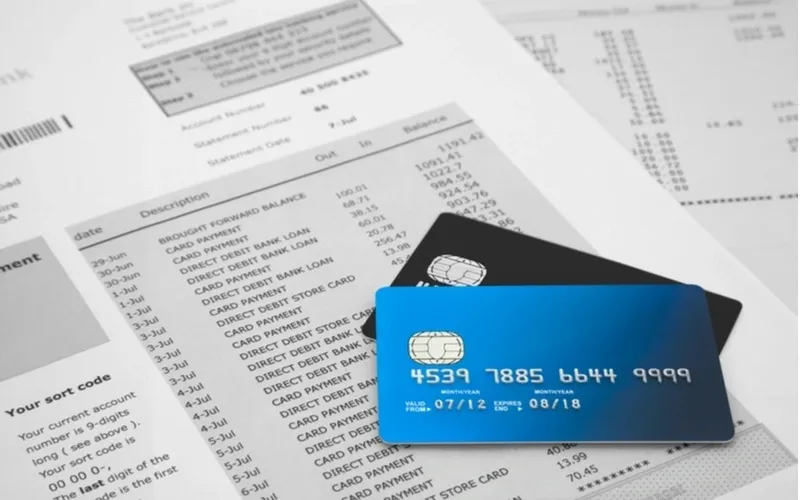
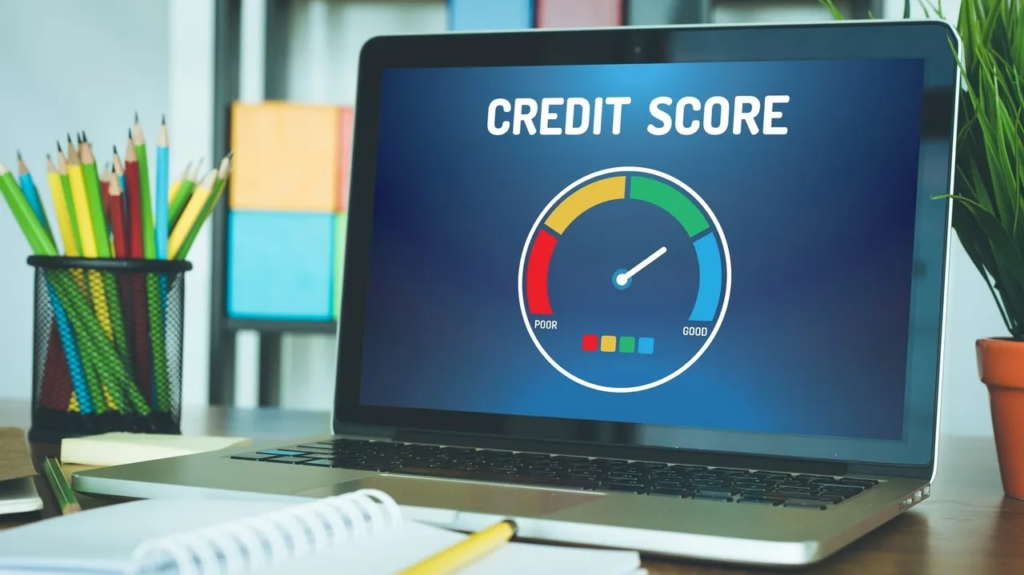
Of all the monthly expenses you have to budget for — rent, car insurance, cell service — your credit card bill is one of the first to fall on the backburner. So, what happens if you aren’t able to make your credit card payment for a month? How seriously will it affect your credit score? Will you incur late fees or end up paying more in the future? If you don’t pay your credit card bill for a month, here are a few things to expect.
Late Fees
Whether you’re a few days late on your credit card payment or an entire month behind, you’ll most definitely face a late fee. If this is your first late payment and you don’t let too much time pass before making it, your credit card provider will cap the fee at a low amount — which can show up on your account as early as one day after the payment was due. However, if you continue to avoid paying your credit card bill, you will continue to accumulate late fees. Eventually, your credit card provider will freeze your account, requiring you to pay the outstanding balance and any late fees before you are able to charge on your account again.
Increased Rates
Missing a credit card payment may cause your interest rate to go up. The amount your rate increases is determined by your card issuer, and you may notice a significant change after just one missed bill. In addition, the more payments you miss, the higher your interest rate may climb. Although your card issuer must provide a 45-day notice before raising your rates, it’s your responsibility to pay your credit card bill within the 45-day window to avoid an increase.
Credit Score Penalties
Maintaining a flawless payment history is critical to maintaining a good credit score. Therefore, if you don’t pay your credit card bill for a month, your score will most likely suffer. Furthermore, if you miss your payment for many months, your account will be flagged as a delinquent account and sent to a collection agency. This will be detrimental to your credit score and potentially prevent you from opening new lines of credit or securing loans in the future.
The Financial Experts Here To Help
If you find yourself behind on credit card bills, consider contacting the debt consolidation experts at Progressive Debt Relief. We have the knowledge and experience to settle your debt efficiently, effectively, and discreetly. Moreover, we offer services for all of your debt-related needs, including debt settling, negotiation, and counseling. To find out more about our services or to set up a free consultation with no upfront fees, contact us today.
Payday loans are cash advances that you are obligated to repay by your next payday. While they are a quick way to get immediate money if you are in dire need of it, they are still a loan that you have to pay back—quite often with steep interest. If you have taken out payday loans in the past and are unsure if they have been satisfied, here are some ways to find out if you still have any outstanding payday loans and how to go about paying them off.
Outstanding Payday Loans Can Hurt Your Credit
One thing about payday loans is that lenders won’t run a credit check on you if you apply for one. For many people, this is an advantage, however, payday loans won’t boost your credit score if you pay them back on time. Furthermore, if you don’t pay back a payday loan on time, the lender can turn you over to debt collectors. If this happens, it can hurt your credit score—limiting your ability to make large purchases or qualify for lower interest loans.
Tracking Outstanding Payday Loans
Typically, the best way to discover outstanding loans would be to check your credit report as traditional loans are reported to credit bureaus such as Equifax, Experian, and TransUnion. However, payday loans operate differently than traditional loans as payday lenders do not generally report outstanding or overdue debt to creditors. Once a payday lender sells your outstanding payday loan debt, it can be filed with a credit bureau and can stay on your credit report anywhere between six and ten years.
In all likelihood, you shouldn’t have a problem discovering the existence of any outstanding payday loan debts because collection agents and creditors are notorious for endlessly contacting delinquent borrowers night and day with borderline harassing calls in order to retrieve their payday loan repayments.
Getting Out of a Payday Loan
There are two different options for borrowers who want to get out of payday loan debt once and for all.
1. Extended Payment Plans: EPPs give you more time to pay off your debt and come with no extra fees or interest. The most important thing to remember is to not default on your payments. Otherwise, you’ll get turned over to collections.
2. Credit Counseling: Essentially, credit counselors help to renegotiate and restructure your deal with the loan company so that it is easier for you to payback what you owe. Credit counselors are financial experts and will evaluate your current situation to figure out your best options and the ideal route for you to take to get out of payday loan debt.
Get Payday Loan Relief from Debt Management Experts
If you want to talk to someone with experience and expertise in settling payday loans and other unsecured debt, then look no further than the professionals at Progressive Debt Relief. Our credit counselors and financial experts have established relationships with creditors and collection agencies that allow us to negotiate your debt. Our experts will evaluate your debt situation and determine a plan of action to settle your debt into manageable payments that accommodate your income and budget. To schedule your free consultation, contact Progressive Debt Relief today.
One of the most important things to keep in mind while going through Chapter 13 bankruptcy is that if you absolutely must borrow or take out a loan for a mortgage or car purchase, you are not allowed to do so without court permission. A judge must sign off on any borrowing or loans you might need, including payday loans.
To get on the right track again, there are some key measures you want to focus on. And some that you can also carry into your life post-bankruptcy:
1.Apply for a secured credit card. The point of a secured credit card is to have an account that acts as a security deposit for the lender. This will be held as collateral until the account is closed.
2.Comb for charge disputes. Keep a lookout for charge mistakes on your accounts and dispute every one you come across. This can further help you chip away bad credit.
3.Make your payments on time. This may go without saying but staying on top of your payment schedule and paying a little more than the minimum balance is one of the best things you can do. It all comes down to discipline.
Stay Away from Payday Loans in Chapter 13 Bankruptcy
If there is one thing the experts at Progressive Debt Relief recommend, it is to stay far away from payday loans. There are some very valid reasons why:
1. High Interest Rates. The interest rates on these loans are incredibly high to generate revenue from unaware borrowers.
2. Instant Interest Accrual. Interest on these loans begins compounding immediately. There is no grace period.
3. Rehash bad spending habits. You cannot deny the allure of instant cash. But relying on this too much, too many times, can lead to massive debt and fees.
Contact Progressive Debt Relief
The debt counselors at Progressive Debt Relief have the experience and programs you need to avoid predatory payday loans. Our team will put together an an effective debt settlement program so you can begin to build your credit stabilization. To find out more about our services, or to schedule a complimentary consultation, contact us today at 877.590.1847.
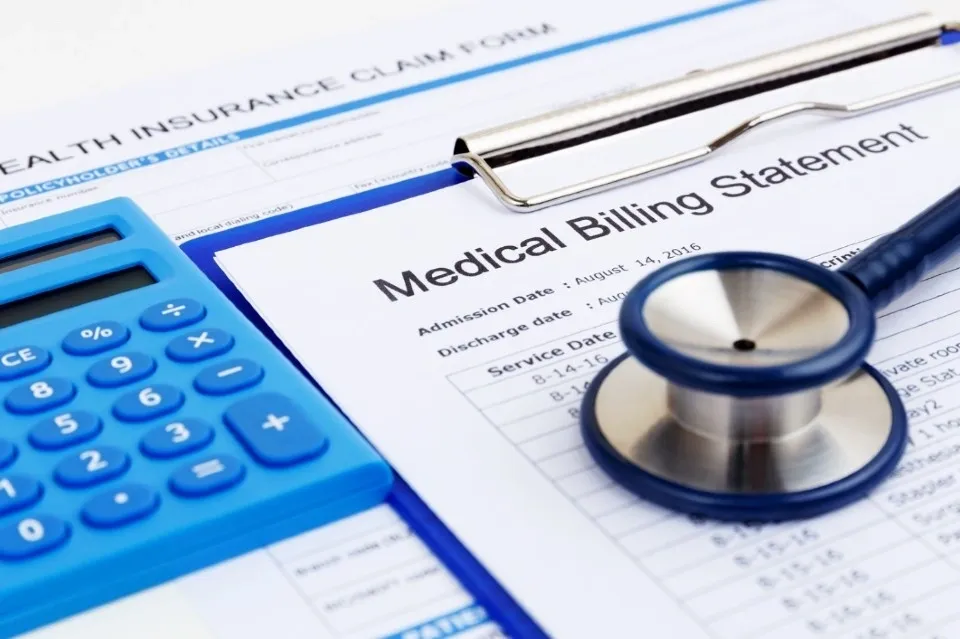
Steep medical debt can be an overwhelming expense to deal with. As one of the leading debt collection items on credit reports in the United States, outstanding medical bills are reported to collection agencies after several months of missed payments. While collections agencies can take you to court over your medical debt, they seldom want to. Fortunately, there are ways that you can avoid going to court over your unpaid medical bills.
Avoiding Lawsuits With Collection Agencies
There are a few notable ways to stop a collections lawsuit before it even begins. The vital action to do first is to examine your bill to ensure its accuracy. If something doesn’t look right, then it may be possible to reduce it. There are a few ways you could go about doing this.
1. Simply examine the bill yourself to ensure that an error didn’t result in a larger bill.
2. Ensure that nothing the medical provider did made it so that you had to stay in the hospital longer than you should have.
3. Consider having your bill examined by a medical bill advocate, an expert familiar with the medical laws and coding.
Furthermore, it is important to remember that collection agencies are usually willing to work with you. One avenue you can pursue is applying for financial assistance and setting up a zero-interest payment plan. Negotiation is almost always an option.
The Cost of Going to Court
Again, while collection agencies will go to court over medical bills, they’d prefer not to. Ultimately, they rarely get full payment though lawsuits and the entire legal process costs them money too. So, they are almost always willing to negotiate, which is vital to avoiding a lawsuit. If you need help negotiating down your medical debt, rely on the professional debt management services of Progressive Debt Relief.
Get Help With Your Medical Debt
If you find yourself facing the possibility of going to court over medical bills, Progressive Debt Relief can help. The experts at Progressive Debt Relief have the ability and experience to help you get the best settlement possible and ensure that you have the tools and knowledge to avoid future instances of financial distress. Known for efficiency and discreetness, our debt counselors will negotiate with your creditors and collection agencies to reach a debt settlement or repayment plan that works for you.
To find out more about how we can help or to schedule a free consultation with no upfront fees, contact us today.
Debt collection agents are allowed to take several avenues when it comes to reaching out to borrowers about paying their debts. Creditors are rigidly regulated at a state and federal level, so they aren’t given the freedom to do just anything when it comes to contacting you. However, if you don’t pay your debt and your delinquent account falls to a debt collection agency, their debt collectors are well within their rights to engage in the following three actions in order to collect your outstanding debt.
Here is what happens if you don’t pay a debt collection agency:
You (And Others) Could Get Calls and Letters
Debt collectors are trained to contact those who need to pay off debts, so it’s very common to receive phone calls or letters from them if they are attempting to persuade you to pay. It is also within their rights to contact your friends and family members for the sole purpose of locating you. They may also call your workplace. While agents are given a good deal of freedom when it comes to contacting you, they’re not allowed to call before 8 a.m. or after 9 p.m. You also have the right to request that a debt collector stop contacting you, but this option should be treated with extreme caution. If they have no means to contact you, the only option they have left is a lawsuit.
You Could Get Reported to the Credit Bureaus
If payments are missed, a common action debt collectors take is reporting your collection account to the credit bureaus. If this happens, your collection amount will most likely be added to your credit reports, which spells out trouble in many different ways. A collection can lower your credit scores and can remain on your credit report for up to seven years. If your credit is damaged, this could also lead to:
● Higher interest rates
● Loan or credit card application denials
● Higher insurance premiums
You Can Get Sued
By far the most serious consequence of a failure to pay a debt is the possibility of being sued. This is the last resort option taken by the debt collection agent that most likely results from being ignored for a long time. This process varies greatly by the state that you live in, but it is never a good situation to be in no matter the circumstances.
The bottom line is this: If a debt collector is attempting to contact you, it’s always in your best interest to work with them rather than ignore them or put them off. The more willing you are to resolve your problem, the less likely you are to suffer any of the consequences that come from unpaid debts.
Get Help Dealing with a Debt Collection Agency
At Progressive Debt Relief, our staff of experienced financial experts have well-established relationships with most debt collection agencies, so we are equipped and ready to settle your debt for good so you can move on with your life. With our debt consolidation, negotiation, and settlement services, we’ll help you determine which option best fits your situation and work with your creditors on resolving your debt troubles. To schedule a free consultation or to learn more about our services, contact us today.
You may be in a tight spot and need a quick and easy cash fix, so perhaps you are consider taking out a payday loan. Afterall, these loans are convenient, so they seem attractive. However, it’s often unclear to borrowers how dangerous payday loans can be. So, before you rush over to your local payday loan lender, you should take the time to understand exactly what a payday loan is, how tricky they can be to repay, and realize why you shouldn’t use payday loans to borrow money.
What Are Payday Loans?
Payday loans are short-term cash loans that are meant to hold you over in a time of need. These loans are meant to be paid back by the time you get your next paycheck, usually within two weeks. You can apply for these loans at a local loan agency or online. These loans are typically a small amount of money with a large interest rate. Although the speed and ease at which you can obtain a cash loan is appealing, it is important to understand the danger of taking out payday loans.
Why Payday Loans Are Detrimental to Your Finances
1.Payday Loans Are Expensive: Payday loans can have an interest rate as high as 400%. The high interest rates are due to the fact that most lenders do not check if a borrower is qualified to pay back the loan.
2.Debt Will Accumulate Rapidly: The high interest rates and borrowing cycle allows debt to accumulate quickly. By the time you miss a few payments or take out another loan, you could be paying up to 10 times your borrowed amount.
3.It Can Become a Never-Ending Cycle: Payday loans are attractive to desperate borrowers, but they are also predatory. Payday loans have high interest rates and pricy late and extension fees. If you decide to extend your loan or miss a payment, you are accumulating more debt and may not be able to make the next payment. If you decide to take out another loan to help pay off the first one, you are entering a dangerous cycle of payday loan debt.
Avoid Payday Loan Debt
In a time of need, payday loans can seem like an easy fix but using them can negatively affect your finances. At Progressive Debt Relief we can settle your payday loan debt effectively and discretely. Our debt counselors will work with you to create a plan with no upfront fees. If you have any questions about our services or want to schedule your free consultation, contact us today at 866-867-1493.
Receiving a call from a debt collector, on its own, can be a very stressful experience. Even more stress is created when the legitimacy of the debt collector is put into question. Afterall, you could be faced with serious consequences if you discover you provided your personal financial information to scammers instead of actual debt collectors. The following tips will help you determine the authenticity of debt collectors and what to do if the caller is suspected to be a scammer.
Key Indications of Fake Debt Collector Calls
1. The supposed collector on the phone is not providing identifying information such as a phone number or mailing address when asked.
2. The “collector” is requesting that you provide them with private information related to your personal finances.
3. The “collector” is not forthcoming about specific details regarding the debt that you owe.
4. The “collector is claiming that you owe a debt that you are unaware of.
5. The “collector” makes intimidating statements regarding legal actions they may take if the debt is not paid.
How to Deal With Scam Calls
If you have any suspicions that the “debt collector” you are talking to is not legitimate, the following tips should be followed to avoid being scammed.
1. Request the collector to provide key identifying information that proves they are legitimate. The information that should be asked for includes:
a. Their name
b. A phone number
c. The name of the company they work for
d. The number of their professional license
e. The address of their company.
If they are unable to fulfill your requests, hang up.
2. Never provide any private financial or personal details over the phone unless you are certain that the collector you are talking to is legitimate.
3. Request the collector to provide you with a “validation notice.” This is a written document that includes details regarding the debt that you owe, who you owe it to, and a list of your rights. Let the collector know that no more contact will be made over the phone unless a validation notice is provided.
4. File a formal grievance to the CFPB about the scam caller through their website consumerfinance.gov/complaint/ or by calling (855) 411-CFPB (2372).
5. Communicate with personal creditors about the “collectors” who have been calling you. Your creditors will be able to provide information regarding who they have permitted to contact you to inquire about potential debts.
6. If all the previously mentioned tips are ineffective, you are legally able to send collectors a letter that insists that they refrain from contacting you. Collectors who receive these written letters are lawfully required to abide by your requests. It is important to keep in mind that sending such letters to legitimate collectors will not erase any potential debts you owe. Collectors may still be able to sue you or provide your debt information to companies that report credit.
Progressive Debt Relief Is Here to Help
Here at Progressive Debt Relief, we know that having to deal with paying off debts and managing calls from debt collectors is a complicated and stressful experience, especially if the legitimacy of the calls is uncertain. That’s why, for over a decade, Progressive Debt Relief have been providing our clients with beneficial services that focus on settling all of your debt related issues as efficiently and effectively as possible. Our client-first mentality is why we offer free consultations and no upfront fees.
Our team of debt consolidation experts are dedicated to alleviating your debt-related stress by personally negotiating with your creditors. For more information about our debt relief services, as well as how to schedule a free consultation, visit the free consultation page of our website or call us at 1-877-590-1847.
Debt can be an overwhelming responsibility that may seem impossible to escape. No matter what type of debt you may have, the best way to get out from underneath it is to do your research and understand your options. That’s why it is important to know the different types of debt and how to determine if your debt is unsecured.
The Different Types of Debt
Priority Debt – This type of debt includes domestic support obligations and employee wages. Priority debts must be paid before prior obligations such as credit card balances and medical bills.
· Administrative Debt – Another type of priority debt, administrative debt is created when goods or services are provided to your bankruptcy estate. One example of this is fees that are generated by attorneys and other professionals who have been court authorized to represent the bankruptcy estate.
· Secured Debt – Backed by real or personal property, a secured debt allows a creditor to have legal right in seizing property as full or partial satisfaction of the debt. In a secured debt, a lender has the right to take away your home if payments have failed to be made on the loan.
· Unsecured Debt – Your unsecured debt is an obligation that has no specific property that serves as collateral for debt payment. If you promise to pay someone a specific amount of money at a particular time and fail to pledge real or personal property as collateral, this is unsecured debt.
Common Unsecured Debts
The most common type of debt, unsecured debts can include:
· Department store or credit card charges
· Student loans
· Phone, electric, or other utility bills
· Medical bills
· Personal loans that didn’t require a security agreement
· Court judgements such as garnishment or attachment
· Income tax
· Back rent
The main exception of this debt includes home and auto loans, which are almost always secured.
What Happens If You Don’t Pay Your Unsecured Debt?
Failing to make a payment on your unsecured debt gives the creditor a reason to contact you to obtain payment. Creditors can also report the debt to a credit reporting agency or even file a lawsuit against you. However, a nongovernmental and unsecured creditor cannot take away any of your assets without a court judgement.
Get Help With Your Unsecured Debt
At Progressive Debt Relief, our team has the ability and the experience to settle your unsecured debt in an efficient and discreet way. With free consultations and no upfront fees, our experts will work hand-in-hand with creditors to settle your debt once and for all. To learn more about our services or to schedule your complimentary consultation, contact us today at 1-800-590-1847.
Managing debt is difficult enough during normal circumstances, but even more so if you happen to be unemployed. However, being out of work doesn’t mean it’s impossible to manage your debt. In fact, there are several strategies to help you lessen and perhaps even settle your debt while you are between jobs.
Continue Making Minimum Payments
If possible, try and continue making minimum payments on your credit cards and loans to avoid late fees and protect your credit score. Maintaining your credit score is essential in ensuring you’re able to get competitive interest rates in the future since payment history is the most important factor that goes into a credit score. If it helps, treat minimum payments like a necessary expense, like you would for food or housing.
Create a Budget
Making a reasonable budget to stick to while you’re unemployed can help you visualize exactly how much money you should put into your different expenses. Try to remain firm, but realistic so that you won’t end up spending more than necessary. Creating a budget that is highly personalized to you and your lifestyle is essential, as there is no one-size-fits-all method. The most important part of budgeting is finding categories that you’re able to cut back on. Expenses like housing and utility bills will most likely remain the same, but categories like personal care and entertainment can often be adjusted.
Debt Consolidation
Debt consolidation is a common method of debt refinancing that has one taking out one single loan to pay off several others. This will ease the process of paying off debt, as the new debt comes from a single source rather than multiple, and often has more favorable payoff terms that may include a lower interest rate and/or a lower monthly payment. There are two different types of consolidation loans, secured and unsecured, and it’s important to work with the right financial experts to figure out which is a better solution for you.
Debt Negotiation or Settlement
Debt negotiation, often called debt settlement, is a very effective way of handling debt that seeks to forgive a portion of the amount to be paid off. Debt settlement looks very different for a variety of people, as everyone has a different situation, but it is often successful in erasing a large chunk of the debt, sometimes even up to half. This is often a great option to choose if you’re handling debt while unemployed, but it’s essential to seek help from financial experts to successfully do it.
Settle Your Debt for Good
There are many different ways to handle debt but putting your trust in debt management professionals will always yield the best results. At Progressive Debt Relief, our financial experts have the right experience to create a personalized plan to help you settle your debt efficiently and discreetly. We offer free consultations and no upfront fees to ensure that you’re not burning an additional hole in your wallet to take care of any debt problems you may be facing. To schedule a complimentary consultation, contact us today.
With the introduction of Fair Isaac Corp’s newest FICO 10 credit scoring model, it is expected that the credit scores of 110 million people will be altered by less than 20 points and the credit scores of 80 million people are likely to increase or decrease by at least 20 points. As made evident by those two statistics, the implementation of this new credit scoring model is going to have a significant impact on a large amount of people.
The following will provide helpful information regarding the possible negative impacts that people with poor credit may experience as a result of this new model, as well as different ways that people could potentially increase their credit scores.
Negative Impacts of the New FICO 10 Model
While those with good credit scores will likely see their credit improve as a result of this model, people with bad credit are expected to see their scores decrease even more. The major difference between this model and previous FICO models is that scores will now take debts into account when they are being calculated. Considering that U.S. household debt levels have been rising over the past few years to around $13.95 trillion in September of 2019, experts are estimating that the new model will likely result in many borrowers experiencing drastic credit changes.
The following types of people are highly susceptible to having their credit negatively impacted by FICO 10 model:
1. Those who have not been able to make debt payments on time.
2. Those who have taken out personal loans, as they are not as secure as other types of loans.
3. People who have recently suffered a decrease in their financial credibility.
How to Improve Your Credit Score
While the majority of lenders and banks are still transitioning to the new FICO 10 model, it is important for all consumers to know some basic information regarding how to improve and maintain a good credit score.
1. Create and abide by weekly/monthly budgets
2. Make all payments on time
3. Do not make costly purchases that you are not able to pay off
4. Avoid unnecessary purchases
5. Consult financial experts who specialize in debt relief assistance and financial advising, such as the experts at Progressive Debt Relief
Progressive Debt Relief Is Here to Help
Here at Progressive Debt Relief, we know how having a poor credit score can lead borrowers to make desperate financial decisions, such as taking out payday loans, to help pay off their debts. That’s why, for over a decade, Progressive Debt Relief has been providing our clients with a beneficial service that focuses on settling all of your debt related issues as efficiently and effectively as possible. Our client-first mentality is one of the reasons why we offer free consultations and no upfront fees. Our team of financial experts are dedicated to alleviating your debt-related stress by personally negotiating with your creditors. Take the first step by contacting us today 877-590-1847.
The incoming calls from debt collectors can be frightening and uncontrollable. While they appear enormous, learning the do’s and don’ts on how to handle these calls may bring you a sense of comfort. Having a better understanding of these calls can help you to avoid making an error that could potentially bring legal or financial troubles.
Dealing With Debt Collector Calls
Your first step is to make the decision on whether or not to speak with the collector. In doing so, you allow yourself to gather up the appropriate information needed, learn if the debt is truthfully yours, and educate yourself on the statute of limitations.
If you do decide to take the call, be sure to keep a record of your conversations. In doing so, this can help you determine where the calls are coming from. It can also help keep track of the inconsistencies relating to your debt.
Furthermore, you can request an end to collector contact if you wish to do so. This request must be done in writing and is available under the Fair Debt Collection Practices Act.
Inform them that you are unaware of any debt you may owe. Some collectors don’t know that the debt you may have is uncollectable. Explain why you believe the debt is not genuine—if you act fast, you can request the collector validate the debt in writing.
If you can’t afford to pay, let them know.
Provide them with an up-to-date address. Collectors that have no address have more legal freedom in getting in contact with employers or friends to obtain your address.
What to Avoid when Dealing With Collectors
Refrain from providing financial information such as bank account numbers, your social security number, or the value of property that you own.
Don’t offer a promise payment. Any form of payment or acknowledgement of debt may extend the time limit that a debt collector may sue you.
Keep calm. Collectors keep call records that may be reviewed by the agency or even used in court if legal action is taken.
Consult with a Debt Relief Professional
With zero up-front fees and free consultations, Progress Debt Relief can help resolve your debt for good. Our financial experts have the experience and expertise to negotiate and settle debt in a painless and delicate manner. Whether you’re dealing with past due credit card or medical bills, personal or payday loans, business debts, or accounts in collections, the experts at Progress Debt Relief are devoted to helping you regain control of your finances. To learn more about our available services or schedule your complimentary consultation, contact us today at 1-800-590-1847 or visit our website.
Unsecured loans are a type of loan that does not require collateral and are usually determined based on your credit score. Unsecured loans can vary on type, fees, and interest rates. Before taking out an unsecured loan, it is important to understand the different types, where they come from, and the fees associated with them.
Types of Unsecured Loans

1. Student Loans: Student loans are unsecured loans because you do not have to offer up collateral to obtain them. Oftentimes, all you have to do is meet certain academic requirements in order to qualify.

2. Personal Loans: Personal loans are large loans that must be paid back in fixed monthly payments. It is not uncommon for borrowers to take out personal loans to pay for home repairs or solidify all of their debt into one payment.

3. Revolving Loans: Revolving loans are on a cycle that gives the customer a certain amount of money to be used, paid back, and used all over again. The most common type of revolving loans are credit cards. These loans are attractive because they seem never-ending, but if they aren’t paid back on time, they can have a lasting effect on your credit score.

Lenders That Offer Unsecured Loans

Unsecured loans can be obtained through several different lenders. The type of lender you choose can affect the fees, interest rates, and size of your loan. Common unsecured loan lenders include:

1. Banks

2. Credit Unions

3. Individual Investors

4. Online Lenders

Rates and Fees Associated with Unsecured Loans

Although the initial borrowing risk is low because collateral is not required, the rates and fees associated with unsecured loans can be high.

· Interest Rates: Interest rates can vary based on a number of things. Everything from your lender to credit can affect how high or low your rates are. On average, interest rates will be between 4 – 36%.

· Origination Fees: Origination fees are charges for taking out a new loan. These fees can be between 1 – 6% of the loan amount.

· Prepayment Fees: Paying off all of your loan in one payment seems like a great idea, but this keeps lenders from the interest they are receiving off of your loan. To avoid this, lenders will often charge a prepayment fee to ensure they receive their desired amount of money.

· Late Fees: Not only can missing a payment reduce your credit score, it can mean you have to pay a pricey fee. Late fees can vary based on your lender, but they can be easily avoided by making your payments on time.

Unsecured Loan Professionals

Progressive Debt Relief has spent over a decade helping its clients get out of unsecured debt, including payday loan debt. We understand how difficult debt can be to tackle, and that’s why our professionals will work with you to address your debt problem and settle your debt with our proven strategy. If you have any questions about our services or want to schedule your free consultation, contact us today.
Taking on a payday loan can help you in times of need but it can also lead to you having to pay back substantially more than you borrowed. Most people who take on a payday loan end up owing more in fees than the amount they initially borrowed. So, before you consider taking out a payday loan and falling into an endless trap, here are some important things that you should consider.

There Are Alternatives to Payday Loans

While taking out an additional payday loan to pay your previous one may seem like your only option, there are other, less financially destructive alternatives to payday loans such as:

· Personal loans
· Debt consolidation loans
· OppLoans
· Credit card advances
· Asking for an extended payment plan

If you use any of these alternatives to pay off your existing payday loan, it is important to never fall back into the same trap by determining your debt management planning process.

Getting Out of Your Payday Loan Trap

Since payday loans are legal debt, you can’t just stop paying them. Failure to pay these loans back can lead to your payday lender reporting negative marks on your credit report, sending your account to collections, or even suing you for your debt. Some legal ways to avoid paying back payday loans include:

· Filing a complaint against the payday loan company – This is an option when lenders refuse to create a payment plan with you. Complaints can be filed at both state and national levels. Depending on the severity of the complaint, you could potentially have your payday loan debt reduced.

· Contacting state regulators – Once the loan company fails to work with you on an extended payment plan, state regulators can help in determining if any laws have been broken. However, this option doesn’t necessarily mean you can stop paying your payday loan debt.

· Filing for bankruptcy – As a last resort, you can file for bankruptcy to try to get out of your payday loan debt. Although this too is not a guarantee of avoiding payment, once your bankruptcy is filed, harassing calls from creditors will cease.

Escape Your Payday Loan Cycle the Right Way

Here at Progressive Debt Relief, we understand that paying off your payday loan is stressful. With over a decade of experience and our client-first approach, we can help end your debt-related issues. By negotiating with debt collectors in an efficient and effective way, we will work with you to find the best plan for you to pay your debt faster. We offer free consultations and no upfront fees to reduce your debt-related stress.

For more information regarding our services for your debt relief, visit our free consultation page on our website or call us at 1-877-590-1847.
Payday loans are quick cash loans that you can receive online or at a local loan agency. While they are convenient short-term loans meant to hold you over in a time of need, the ease at which you are able to receive payday loans can tempt you into using them for long-term financial assistance. Because of the high interest rates and penalty fees, borrowers often find themselves in a never-ending cycle of borrowing and owing money on payday loans. This cycle can seem impossible to break, but there are several helpful ways you can put a stop to it.

Ways to Avoid Payday Loan Debt in The Future

The convenience and ease of predatory payday loan practices are designed to make them attractive to desperate borrowers and hard to pass up on. Fortunately, there are plenty of options for low income borrowers to obtain funds while avoiding the headache of payday loan debt. Some cheaper and safer alternatives to payday loans include:

· Borrowing from friends and family
· Using your credit card
· Selling items on social media or at a garage sale
· Building a savings account
· Budgeting your finances
· Asking for an advance on your next paycheck

Ways to End Your Payday Loan Debt Cycle

Any debt is difficult to tackle, but the high interest rates and late penalties on payday loans can make it even more daunting. Although it may seem easy to take out another loan, the first thing you need to do is break the cycle and learn how to pay off the debt. Here are a few options that make starting this process a little easier:

· See if your lender offers extended payment plans. Extended payment plans (EEPs) are used to break up your loan payments into smaller portions over a longer period of time. Receiving an EEP will allow you to make those payments without receiving any penalty fees or high-interest rates. Not every lender offers EEPs, so it is important to communicate with them and see what options they have for you.

· Consider credit counseling services. Payday loans can be difficult to understand, so credit counseling is a good way to see exactly what you owe. A counselor can provide you with a clear repayment path, a new monthly budget, and tips on how to avoid payday loans in the future.

Break the Cycle for Good

If you need help out of a seemingly never-ending payday loans cycle, contact Progressive Debt Relief. Our knowledgeable debt counselors can help you create an efficient plan to eradicate your debts and put an end to your constant borrowing. We know just how difficult and overwhelming this process can be, so give us a call at 866-867-1493 for a free consultation.
Receiving a call from a debt collector or a creditor can be a very stressful experience for a borrower as they can often be intimidating and aggressive in their pursuit for repayment. In fact, many borrowers are so stressed about talking about their debts over the phone, that they either answer the calls unprepared or avoid them altogether. Unfortunately, borrowers may be faced with significant consequences as a result of not knowing what to say or how to properly handle these types of intrusive calls. The following tips can help alleviate your stress and provide you with a roadmap for navigating calls from a debt collector.

Tips for Handling Debt Collection Calls

· Document the Conversation– Keep track of all the information you receive on the call, including the person that you spoke to, when you were called, and what the call was about.

· Understand Your Debt– Before answering one of the many phone calls from your debt collectors, prepare in advance by learning as much as you can about the debt they are claiming you owe.

· Know Their Agenda – Familiarize yourself with the legal limits of what a debt collector is able to ask, the methods they use to get information, and who they share your information with.

· Try Transparency– Be honest with the debt collector and do not try to conceal information. If you do not have enough money to pay off the debt, let them know, as that will often give you more time.

· Ask Questions– If you’re uncertain as to whether the claims about you owing money are true, talk with the debt collector about your doubts, as they may take a different course of action if your concerns are backed up with evidence.

What to Avoid

· Don’t Overreact– Do not take out any frustration you may have on the debt collector, try to remain calm and collected.
· Don’t Give Your Credit Card Number– Private personal information related to your finances should never be shared over the phone.
· Don’t Overpromise– To avoid the prolonging of the time frame that debt collectors could potentially sue, try not to make false suggestions that you will be able to clear the debt at a certain time.

Progressive Debt Relief Is Here to Help

Here at Progressive Debt Relief, we know that having to deal with paying off debts and managing calls from debt collectors is a complicated and stressful experience. That’s why, for over a decade, Progressive Debt Relief has been providing our clients with a beneficial service that focuses on settling all of your debt related issues as efficiently and effectively as possible. Our client-first mentality is one of the reasons why we offer free consultations and no upfront fees. Our team of financial experts are dedicated to alleviating your debt-related stress by personally negotiating with your creditors.

For more information about our debt relief services, as well as how to schedule a free consultation, visit the free consultation page of our website or call us at        1-877-590-1847.
Cookie Consent
We use essential cookies to make our site work. With your consent, we may also use non-essential cookies to improve user experience and analyze website traffic. We use cookies to help us collect and use information about your interactions with our website. By clicking "Accept All," you agree to our website's cookie use as described in our Privacy Policy. You can decline non-essential cookies by clicking "Reject All." You can change your non-essential cookie settings at any time by clicking "Preferences."
Cookie Preferences
Manage your cookie preferences below:
Essential cookies enable basic functions and are necessary for the proper function of the website.
Name
Description
Duration
sdui_panel_minimized
Stores a temporary preference indicating whether a user interface panel or toolbar has been collapsed/minimized to save screen space.
Session
sdui_panel_open
Stores a temporary preference indicating whether a specific admin panel or inspector drawer is currently expanded/open in the site's back-end interface.
Session
Cookie Preferences
This cookie is used to store the user's cookie consent preferences.
30 days
_tccl_visitor
Stores a randomly generated visitor ID so GoDaddy's traffic tracking recognizes a returning visitor across sessions.
1 year
_tccl_visit
Stores a randomly generated ID for the current visit so page views and clicks can be grouped into one session.
30 minutes
CloudFlare provides web performance and security solutions, enhancing site speed and protecting against threats.
The cf_ob_info cookie provides information on: The HTTP Status Code returned by the origin web server. The Ray ID of the original failed request. The data center serving the traffic
session
__cflb
When enabling session affinity with Cloudflare Load Balancer, Cloudflare sets a __cflb cookie with a unique value on the first response to the requesting client. Cloudflare routes future requests to the same origin, optimizing network resource usage. In the event of a failover, Cloudflare sets a new __cflb cookie to direct future requests to the failover pool.
session
__cfseq
Sequence rules uses cookies to track the order of requests a user has made and the time between requests and makes them available via Cloudflare Rules. This allows you to write rules that match valid or invalid sequences. The specific cookies used to validate sequences are called sequence cookies.
session
cf_clearance
Whether a CAPTCHA or Javascript challenge has been solved.
session
_cfuvid
The _cfuvid cookie is only set when a site uses this option in a Rate Limiting Rule, and is only used to allow the Cloudflare WAF to distinguish individual users who share the same IP address.
session
__cf_bm
Cloudflare's bot products identify and mitigate automated traffic to protect your site from bad bots. Cloudflare places the __cf_bm cookie on End User devices that access Customer sites that are protected by Bot Management or Bot Fight Mode. The __cf_bm cookie is necessary for the proper functioning of these bot solutions.
session
__cfruid
Used by the content network, Cloudflare, to identify trusted web traffic.
session
cf_chl_rc_m
These cookies are for internal use which allows Cloudflare to identify production issues on clients.
session
cf_chl_rc_ni
These cookies are for internal use which allows Cloudflare to identify production issues on clients.
session
cf_chl_rc_i
These cookies are for internal use which allows Cloudflare to identify production issues on clients.
session
__cfwaitingroom
The __cfwaitingroom cookie is only used to track visitors that access a waiting room enabled host and path combination for a zone. Visitors using a browser that does not accept cookies cannot visit the host and path combination while the waiting room is active.
session
cf_use_ob
The cf_use_ob cookie informs Cloudflare to fetch the requested resource from the Always Online cache on the designated port. Applicable values are: 0, 80, and 443. The cf_ob_info and cf_use_ob cookies are persistent cookies that expire after 30 seconds.
session
These cookies are needed for adding comments on this website.
Name
Description
Duration
comment_author_url
Used to track the user across multiple sessions.
Session
comment_author
Used to track the user across multiple sessions.
Session
comment_author_email
Used to track the user across multiple sessions.
Session
Statistics cookies collect information anonymously. This information helps us understand how visitors use our website.